
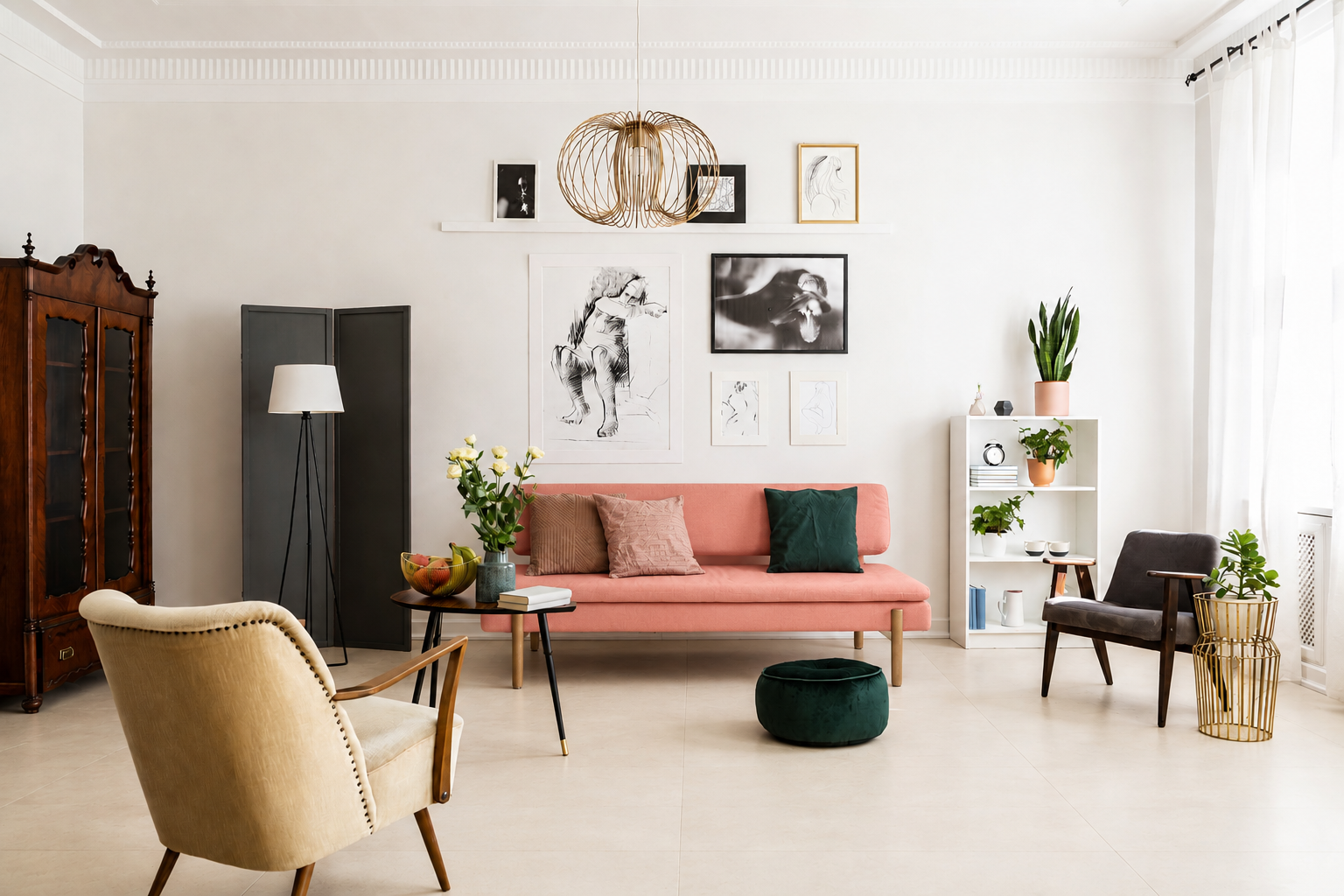
Colour, Contrast and Confusion: How Paint Colour and Flooring Choices Can Support Independence for People Living with Dementia
As dementia becomes more common across Sussex's ageing population, simple choices in paint and flooring can make the difference between a home that supports independence and one that causes daily confusion. Here's how colour, contrast and pattern affect people living with dementia — and the practical changes that help.
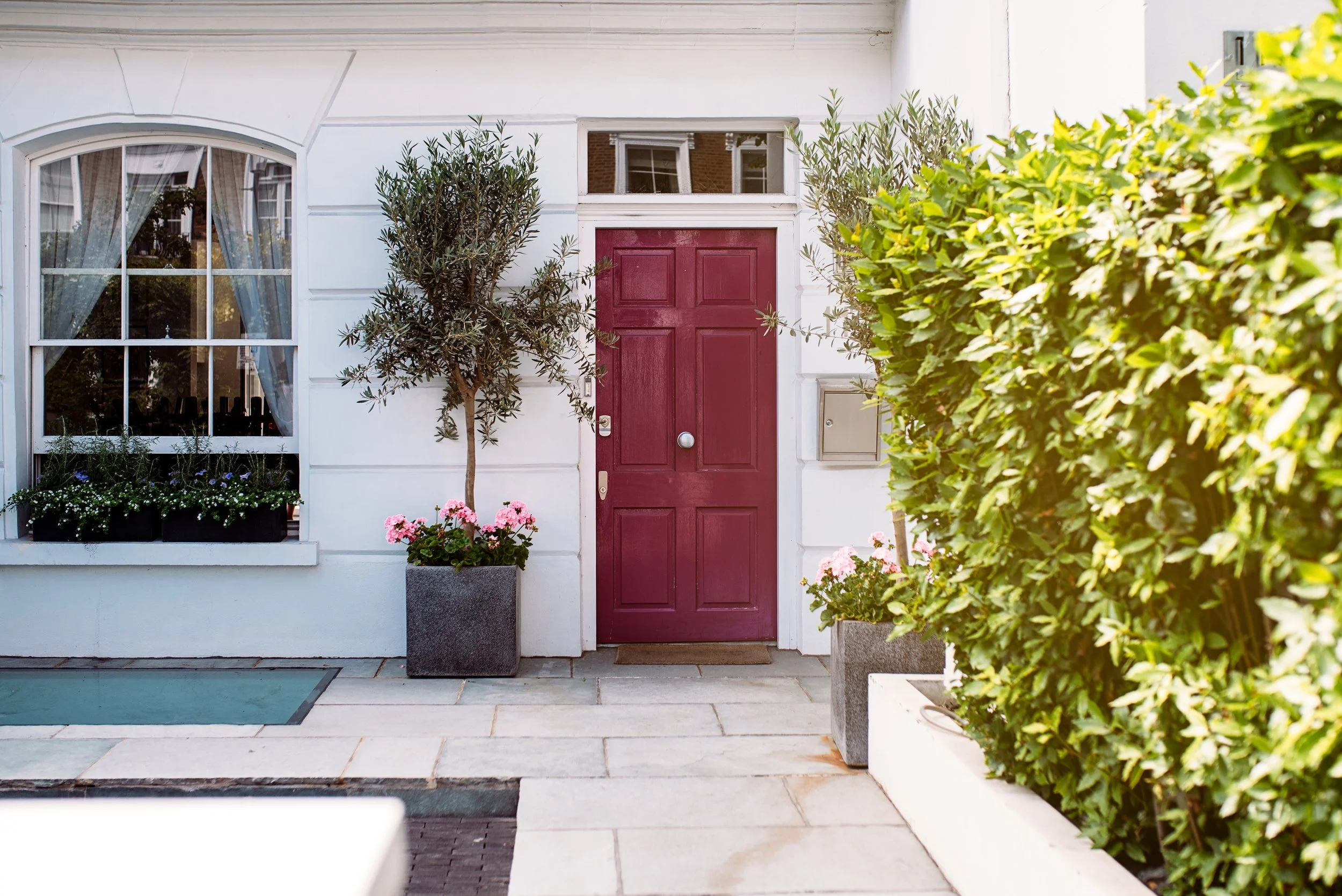
Adapting a family home for dementia
Designing a dementia‑friendly home can dramatically improve safety, comfort, and independence. This article explores practical architectural and interior design strategies - from clear wayfinding and anti‑glare lighting to acoustic comfort and familiar materials - that help reduce confusion, support memory, and create a calmer, more intuitive living environment.
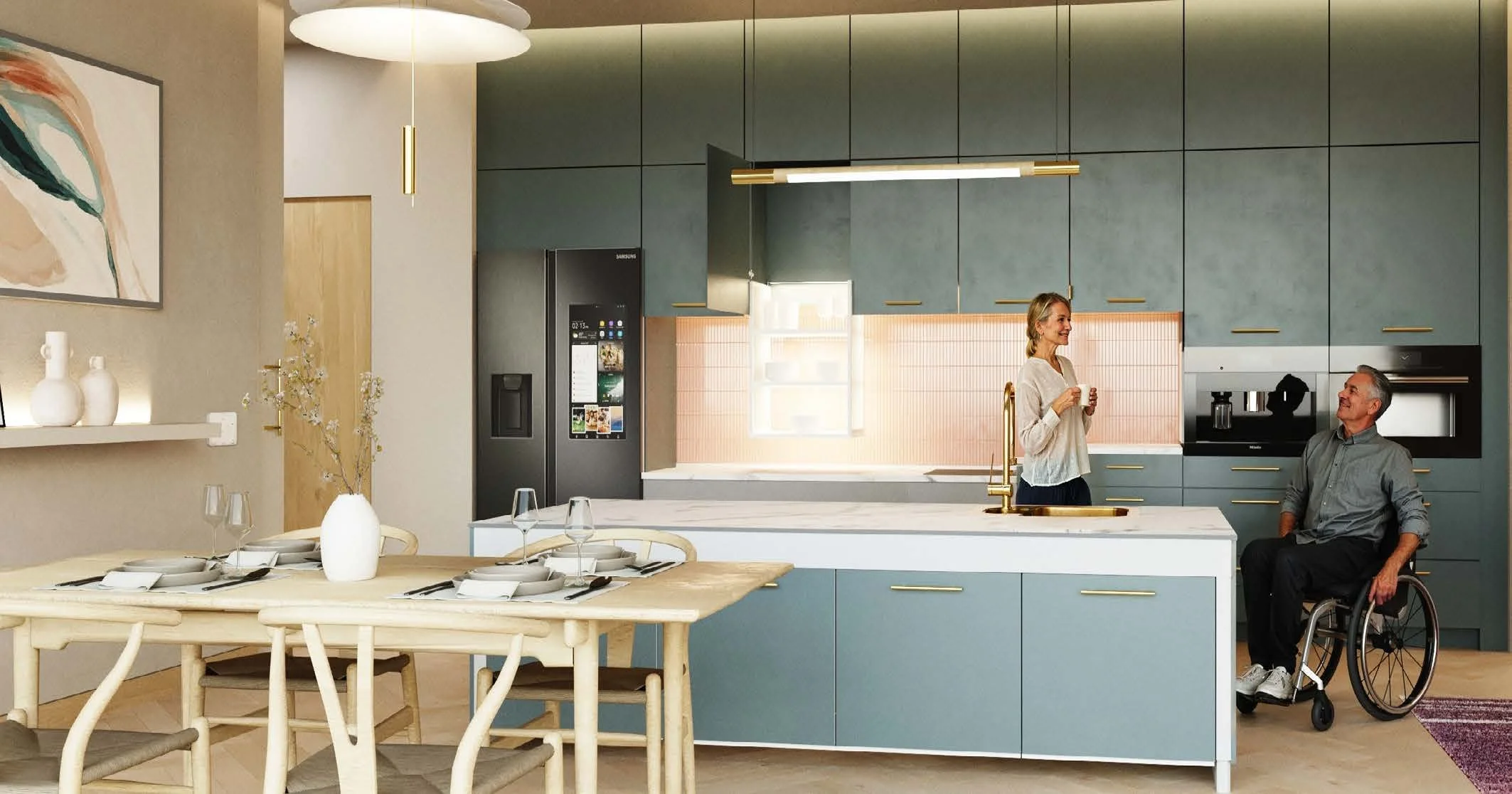
Designing Homes for Ageing in Place: How Architecture and Home Care Work Together to Support Independent Living
Discover how thoughtful home design, adaptations and home care (domiciliary care) can work together to help older people remain independent, safe and connected to the homes they love.

Q&A with Kingsway Care: How home care and architecture can support ageing in place
What really keeps people independent as they age - equipment, or something more personal? Himmelzimmer sat down with Vicky Haines, Managing Director of Kingsway Care, to unpack the emotional and architectural realities of home care versus residential care. From why familiar surroundings support recovery to the home design features that make or break independent living, this Q&A offers practical insight for anyone navigating ageing-in-place decisions.
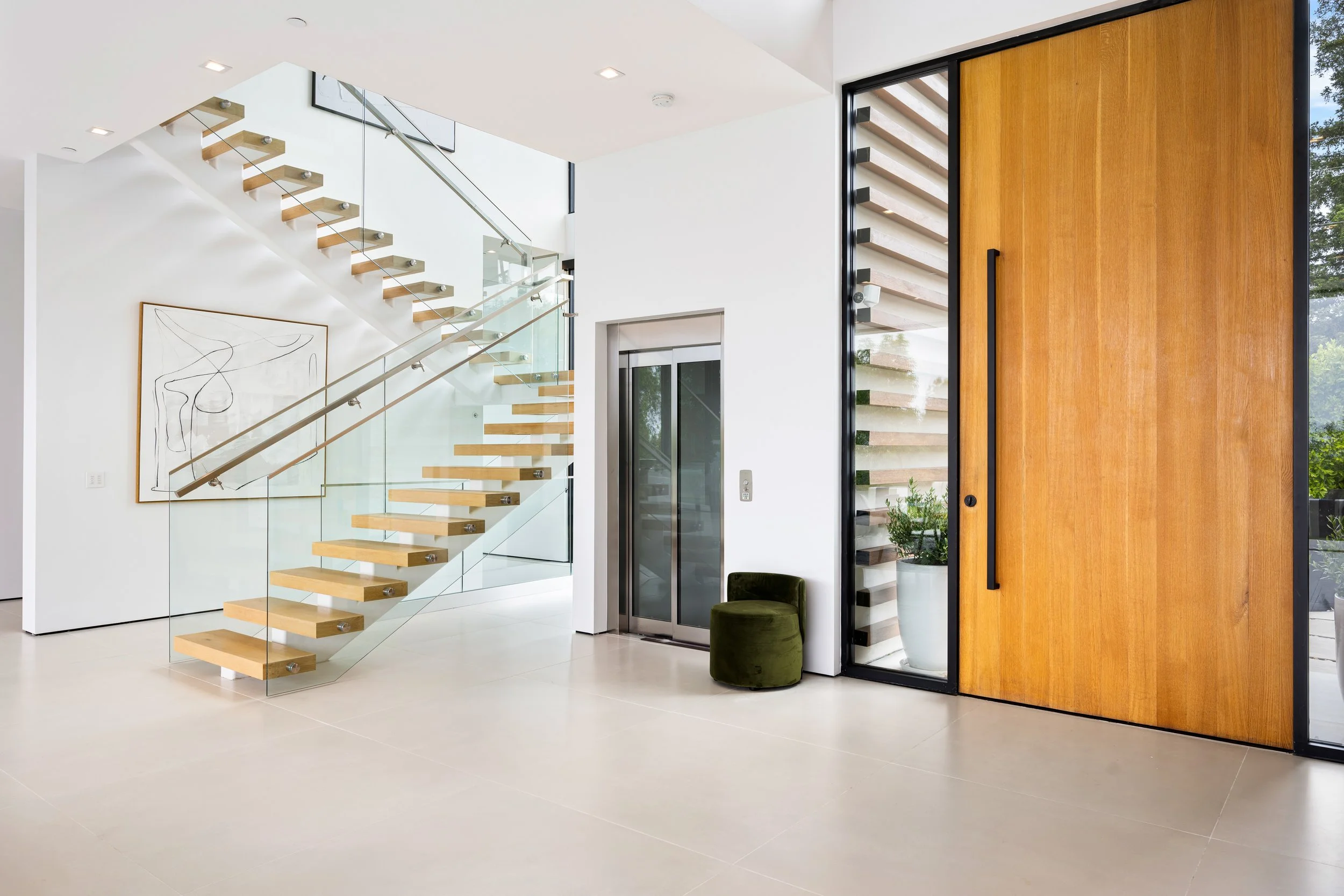
How to choose between stairlifts, platform lifts and home lifts
Looking for the right home lift solution? Explore the differences between home lifts, residential elevators, stairlifts and wheelchair platform lifts. Learn about costs, benefits, accessibility, and how adaptable home design can support independent living and future mobility needs.
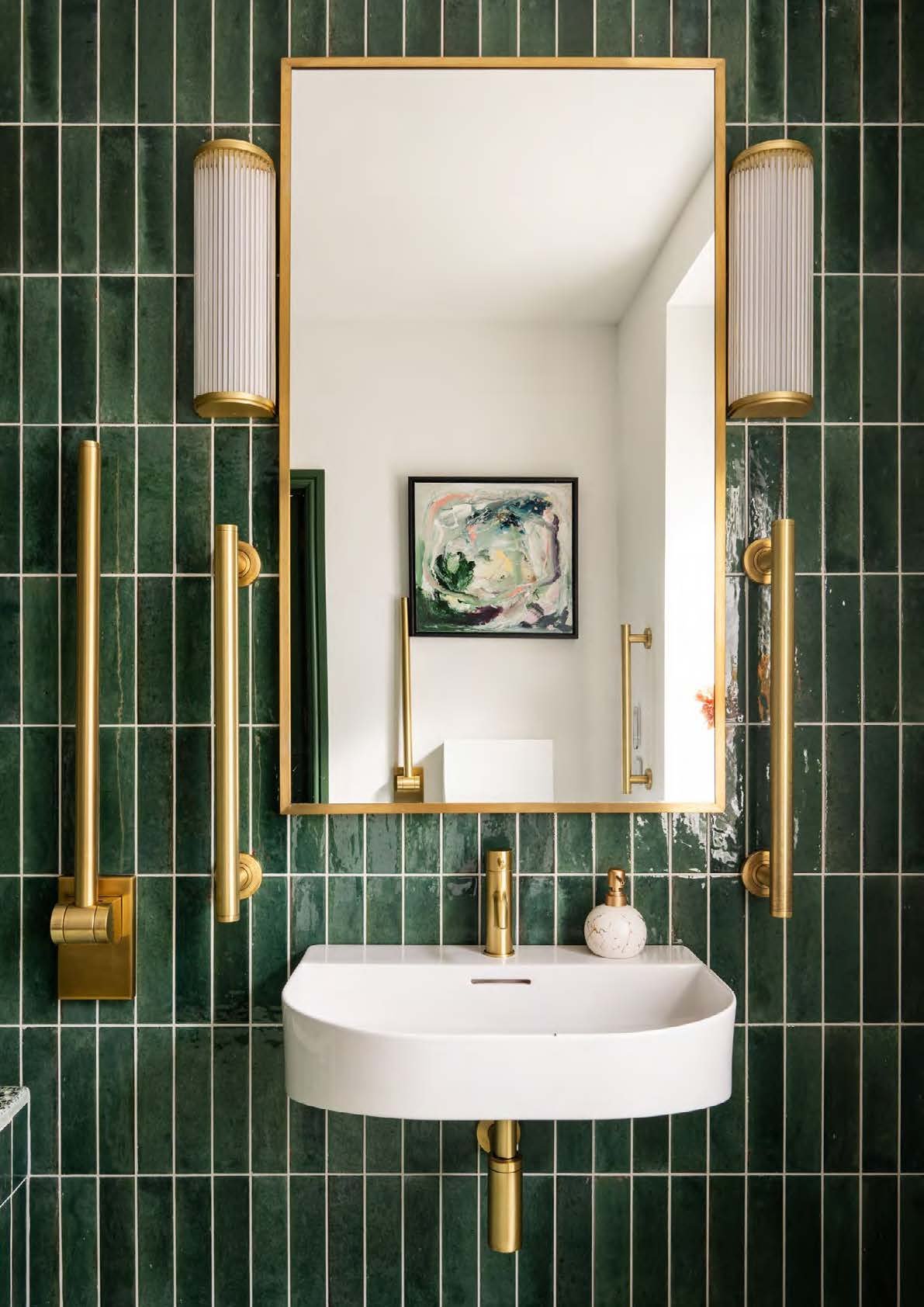
The Art of the Accessible Bathroom: Selecting the right products for an adapted bathroom
Discover how smart home technology is transforming ageing in place in 2026, from AI wellness mirrors and smart lighting to accessible bathrooms, mobility solutions, and home robotics designed to support independence, comfort and healthier living.
How to make your home smarter for ageing in place
Discover how smart home technology is transforming ageing in place in 2026, from AI wellness mirrors and smart lighting to accessible bathrooms, mobility solutions, and home robotics designed to support independence, comfort and healthier living.
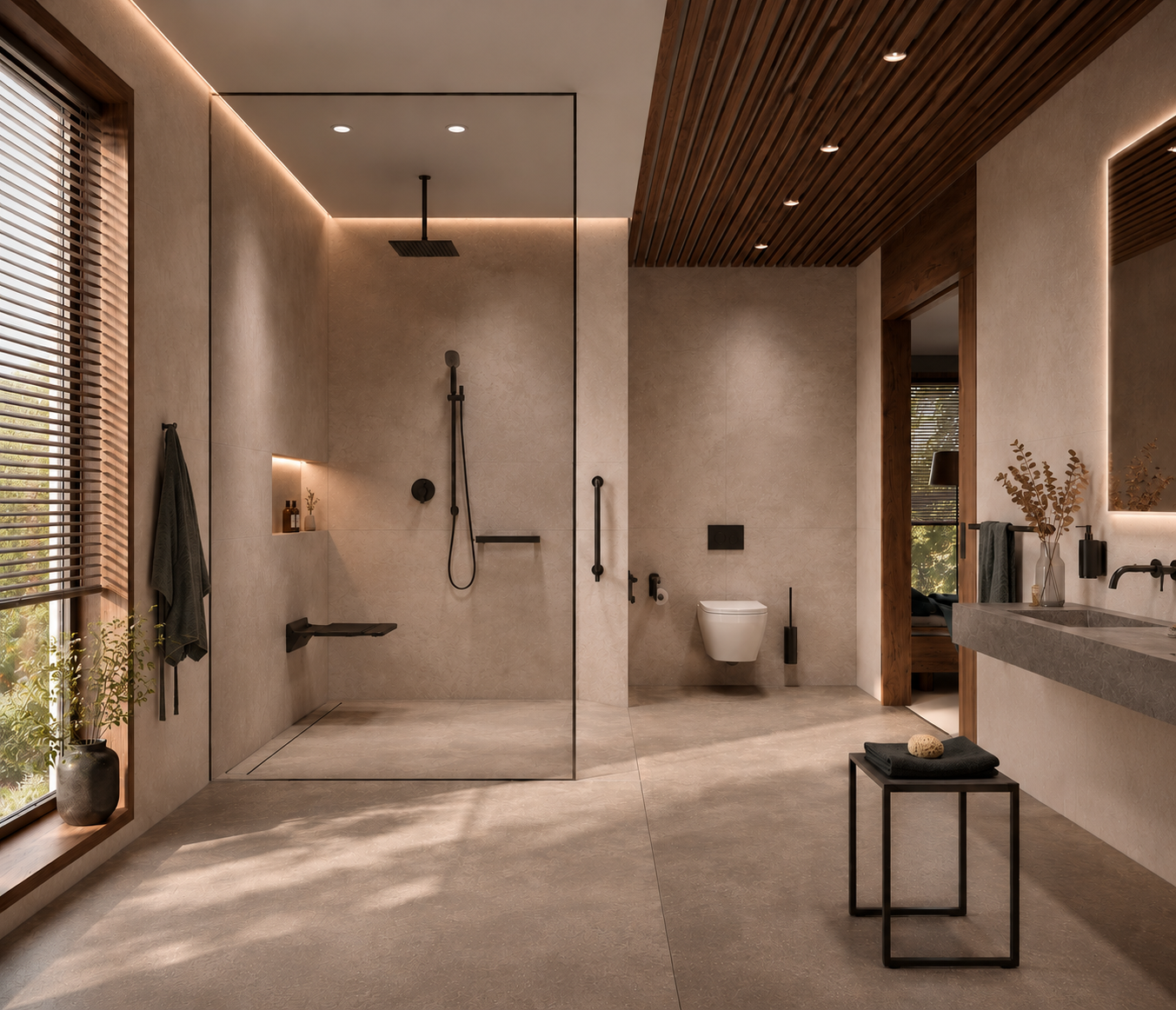
How to Renovate Your Existing Bathroom to Make It Accessible
From walk-in showers and wet rooms to grab rails and accessible sinks, our guide covers everything you need to know about renovating your bathroom for accessibility - without sacrificing style. Get ideas for your wetroom and shower trays for your accessible bathroom for safety and good design.
Future-Proof by Design : Sustainable Architecture for Next - Gen Senior Living
Britain faces a collision of two urgent crises: a rapidly ageing population and the escalating impacts of climate change. In this article, the Himmelzimmer team examines how sustainable architecture is rising to meet both challenges -and why the senior living sector is emerging as a proving ground for the most innovative low-carbon design in the UK.
From net zero retirement villages and cross-laminated timber construction to biophilic design and circular water management, we explore three pillars of truly sustainable senior living: adaptive infrastructure, holistic resident experience, and operational sustainability.

Retrofitting Your Home for Aging in Place: Considered Spaces to Grow Old In
Retrofitting Your Home for Ageing in Place: Creating a Safe, Comfortable and Future-Ready Home
For many older adults, staying in the home they love is an important part of maintaining independence, connection, and quality of life. Ageing in place is about more than simply remaining at home — it is about creating a living environment that adapts to changing needs while supporting comfort, safety, and wellbeing.
Thoughtful home renovations can help transform existing properties into spaces designed for the future. From improving accessibility and mobility to integrating smart technology, safer layouts, and adaptable features, the right modifications can allow homeowners to continue living confidently in familiar surroundings.
This guide explores how considered design and renovation strategies can help future-proof your home, making everyday life easier while preserving the independence, dignity, and lifestyle you value.
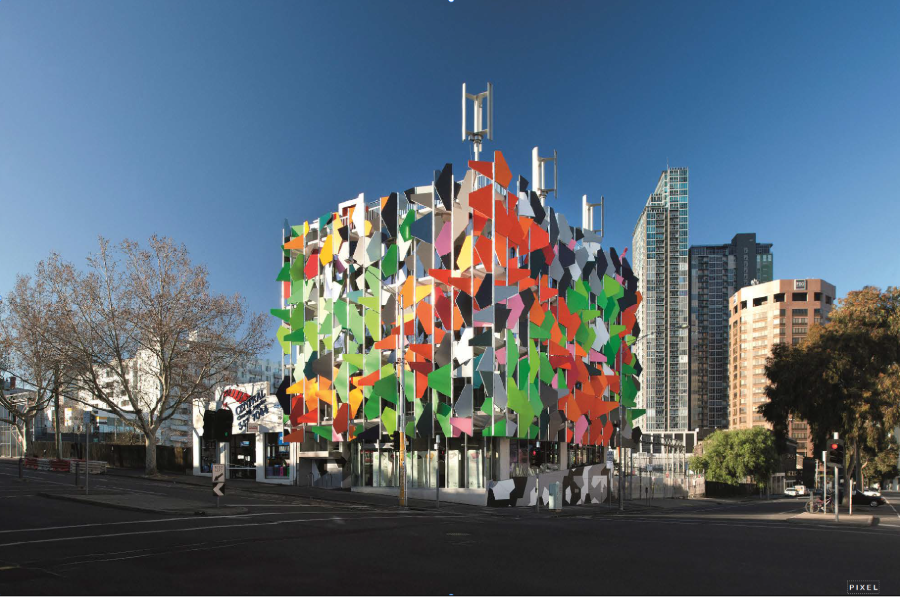
Designing Low Carbon Retirement Homes That Stand the Test of Time
Designing Low Carbon Retirement Homes: Sustainable Spaces for an Ageing Future
As the demand for retirement living and care accommodation grows, the challenge is not only creating homes that support older adults — it is creating buildings that are sustainable, resilient, and designed to last for generations.
Low-carbon retirement homes combine thoughtful architecture, innovative materials, and energy-efficient strategies to reduce environmental impact while improving comfort, wellbeing, and long-term value. From renewable technologies and recycled materials to adaptable layouts and biophilic design, sustainable approaches can help create living environments that support both people and the planet.
This article explores how architects, developers, and designers can rethink retirement housing through low-carbon design principles — creating future-ready homes that are healthier for residents, more efficient to operate, and aligned with the transition towards net-zero construction.
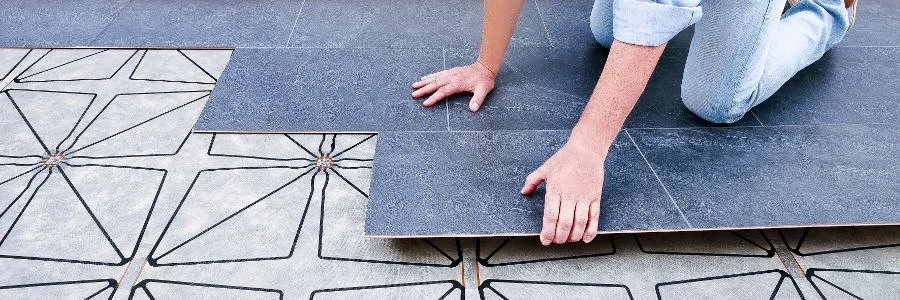
10 Tech Solutions That Improve Elderly Wellbeing In Senior Living
The Himmelzimmer team explores ten innovative solutions transforming residential care and retirement living — from smart floors that detect falls and AI-powered care robots, to voice-controlled smart homes and virtual reality headsets proven to support cognitive health.
Whether you are a care home operator, property developer, or family member planning ahead, this is an honest look at how thoughtfully integrated technology can improve independence, safety, and dignity in older age.

Ageing with Dignity: Providing an Enhanced Later Life Through Architecture and Design
Ageing in Place: Designing Homes That Support Independence, Comfort and Wellbeing
As we live longer, our homes need to evolve with us. Ageing in place is about creating a living environment that supports independence, safety, and quality of life — allowing older adults to remain in the homes they love while adapting to changing needs.
Thoughtful home renovations can transform everyday spaces into comfortable, accessible, and future-ready environments. From improving lighting and mobility to incorporating universal design principles, biophilic elements, and smarter layouts, the right design choices can help homeowners maintain confidence, connection, and dignity throughout later life.
This guide explores how architecture and interior design can create homes that are not only safer for ageing, but also uplifting places where people can continue to enjoy hobbies, welcome family, and live well for years to come.
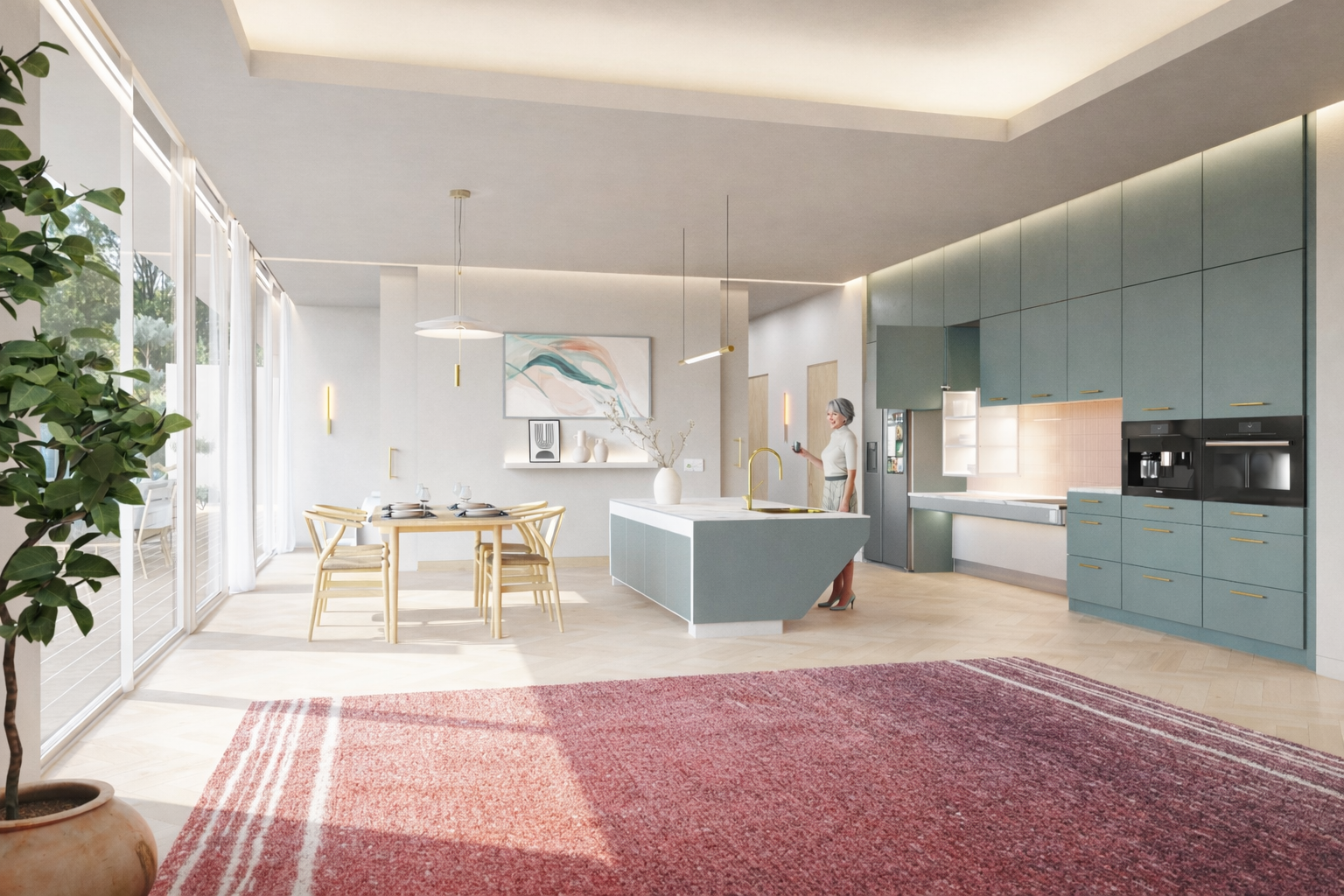
Considerations for Accessible Kitchen Design
Discover how to retrofit your kitchen for ageing in place with our practical guide. From height-adjustable worktops and pull-out shelving to non-slip flooring and sensor taps - create a safe, independent kitchen for senior living.