
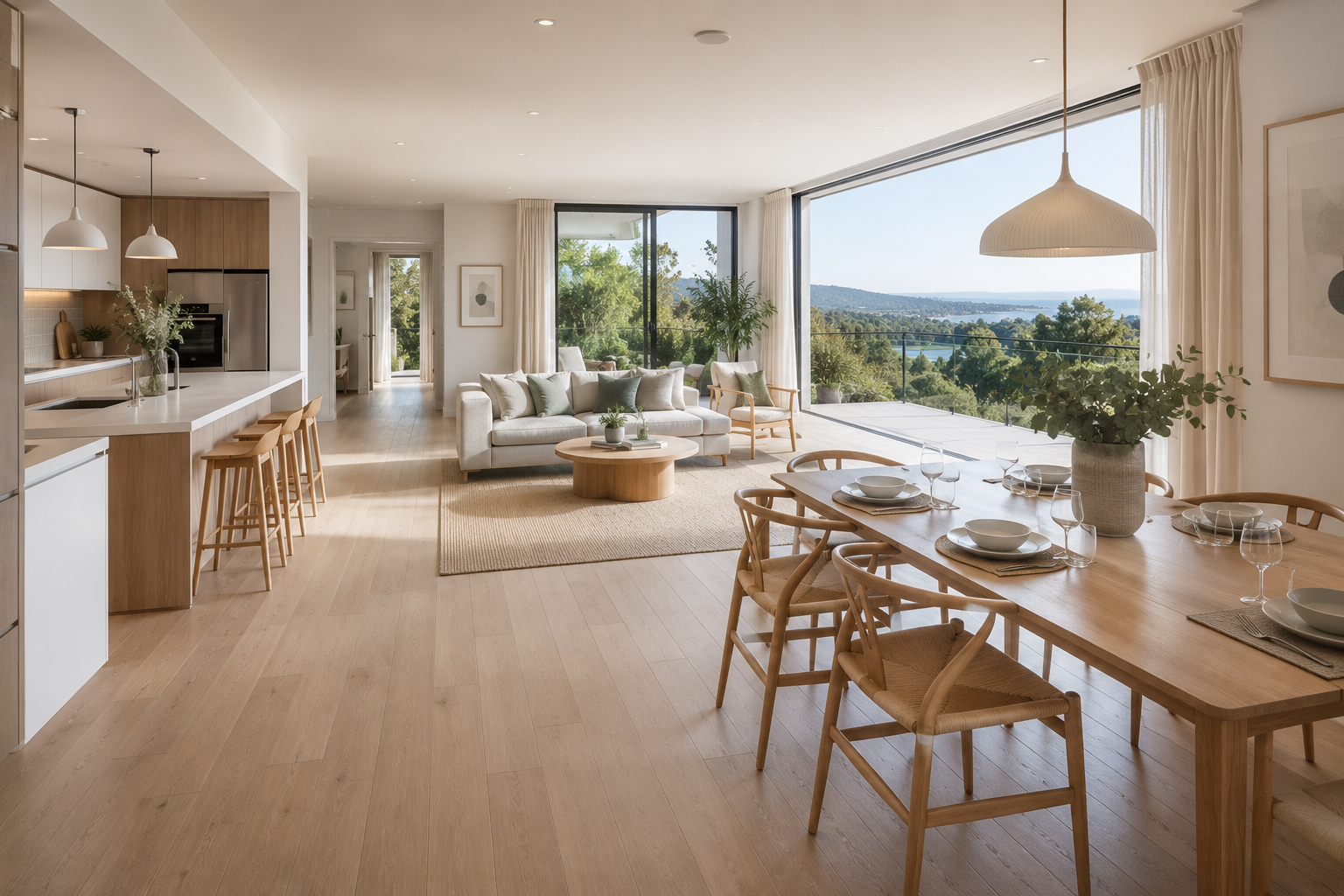
Future-Proof by Design : Sustainable Architecture for Next - Gen Senior Living
Britain faces a collision of two urgent crises: a rapidly ageing population and the escalating impacts of climate change. In this article, the Himmelzimmer team examines how sustainable architecture is rising to meet both challenges -and why the senior living sector is emerging as a proving ground for the most innovative low-carbon design in the UK.
From net zero retirement villages and cross-laminated timber construction to biophilic design and circular water management, we explore three pillars of truly sustainable senior living: adaptive infrastructure, holistic resident experience, and operational sustainability.
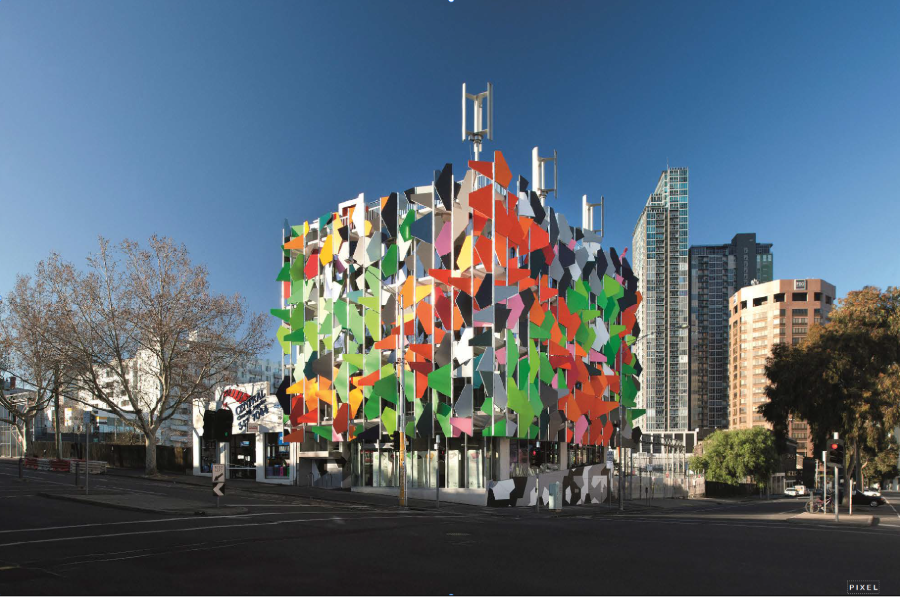
Designing Low Carbon Retirement Homes That Stand the Test of Time
Designing Low Carbon Retirement Homes: Sustainable Spaces for an Ageing Future
As the demand for retirement living and care accommodation grows, the challenge is not only creating homes that support older adults — it is creating buildings that are sustainable, resilient, and designed to last for generations.
Low-carbon retirement homes combine thoughtful architecture, innovative materials, and energy-efficient strategies to reduce environmental impact while improving comfort, wellbeing, and long-term value. From renewable technologies and recycled materials to adaptable layouts and biophilic design, sustainable approaches can help create living environments that support both people and the planet.
This article explores how architects, developers, and designers can rethink retirement housing through low-carbon design principles — creating future-ready homes that are healthier for residents, more efficient to operate, and aligned with the transition towards net-zero construction.