
Q&A with Kingsway Care: How home care and architecture can support ageing in place
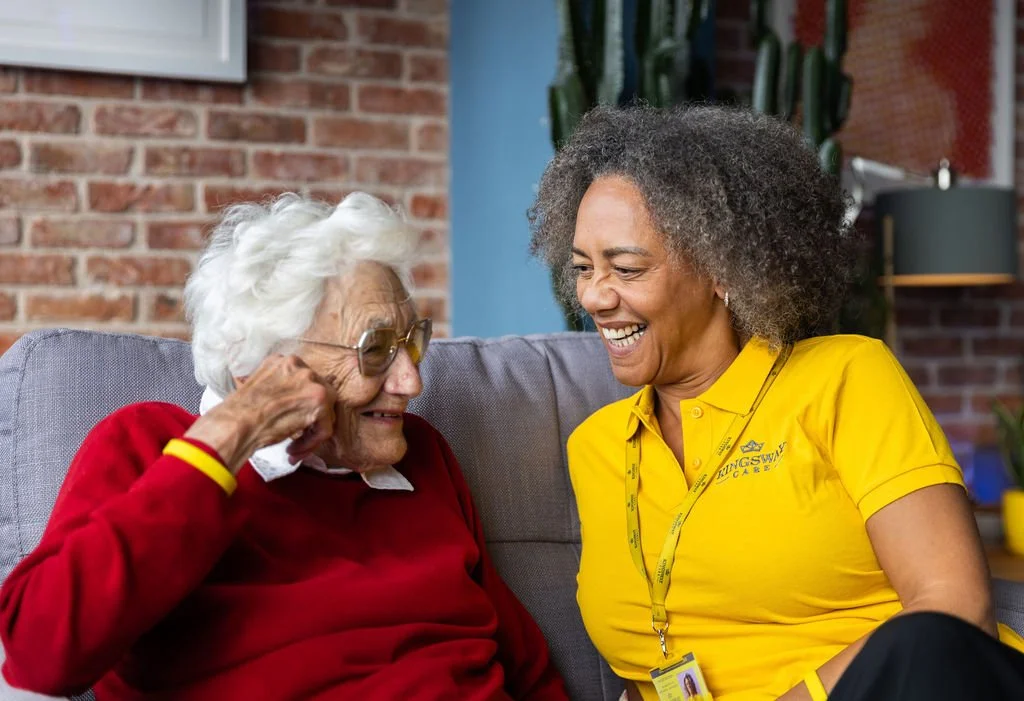
Home care aids in stress reduction and maintaining memories as one gets older. Vicky Haines, Managing Director of Kingsway Care, with client - Image courtesy of Kingsway Care.
Authors: Vicky Haines, Managing Director, Kingsway Care; Bhagya Silva, Architectural Designer, Himmelzimmer UK; Chris Mugeli, Director, Himmelzimmer UK
As part of our exploration into ageing-in-place design, Himmelzimmer spoke with Vicky Haines, Managing Director of Kingsway Care, to discuss how thoughtful home adaptations, accessible architecture and personalised care can work together to help people remain safe, independent and connected to the homes they love. The main points discussed have been summarized here.
1. From your experience, what are the biggest emotional or psychological benefits clients gain from staying in their own homes rather than moving into residential care?
Vicky: There are many. The question is so valid because the assumption is often that when someone needs care and support, it will simply be arranged and automatically accepted. However, requiring care can be an instant and life-changing event due to illness, injury or cognitive decline, while emotionally and psychologically, accepting care is often a much longer process.
Recognising the emotional impact of requiring care is essential to ensuring support is introduced sensitively and tailored appropriately. Ignoring this aspect of the care journey can prevent support from being suitably chosen, uniquely tailored and, in some cases, fully accepted.
Your home is your place of safety, not only because of what is inside it, but because of the geography around you. Familiarity with your surroundings allows people to feel anchored, grounded and emotionally secure.
A move to a new location, new room, different possessions, unfamiliar people, different sounds, meals and routines, particularly when the move is unwanted, would be unsettling for anyone. A home move is an enormous transition, even when chosen freely.
When that move is forced by a change in physical or cognitive ability, it can feel devastating emotionally.
Remaining at home despite those changes often brings an immediate sense of calm and reassurance. Anxiety is reduced when people are able to stay in an environment they have shaped over decades, surrounded by possessions, views, streets and routines they recognise and understand.
Choosing to remain at home whilst receiving care is not just about comfort. It is about preserving who you are.
People's homes reflect decades of choices, routines, memories, grief, achievements, habits and personality. Even seemingly insignificant details matter:
where the kettle is kept
which chair they sit in
what they see from the kitchen window
the smell of the home
familiar sounds and neighbours
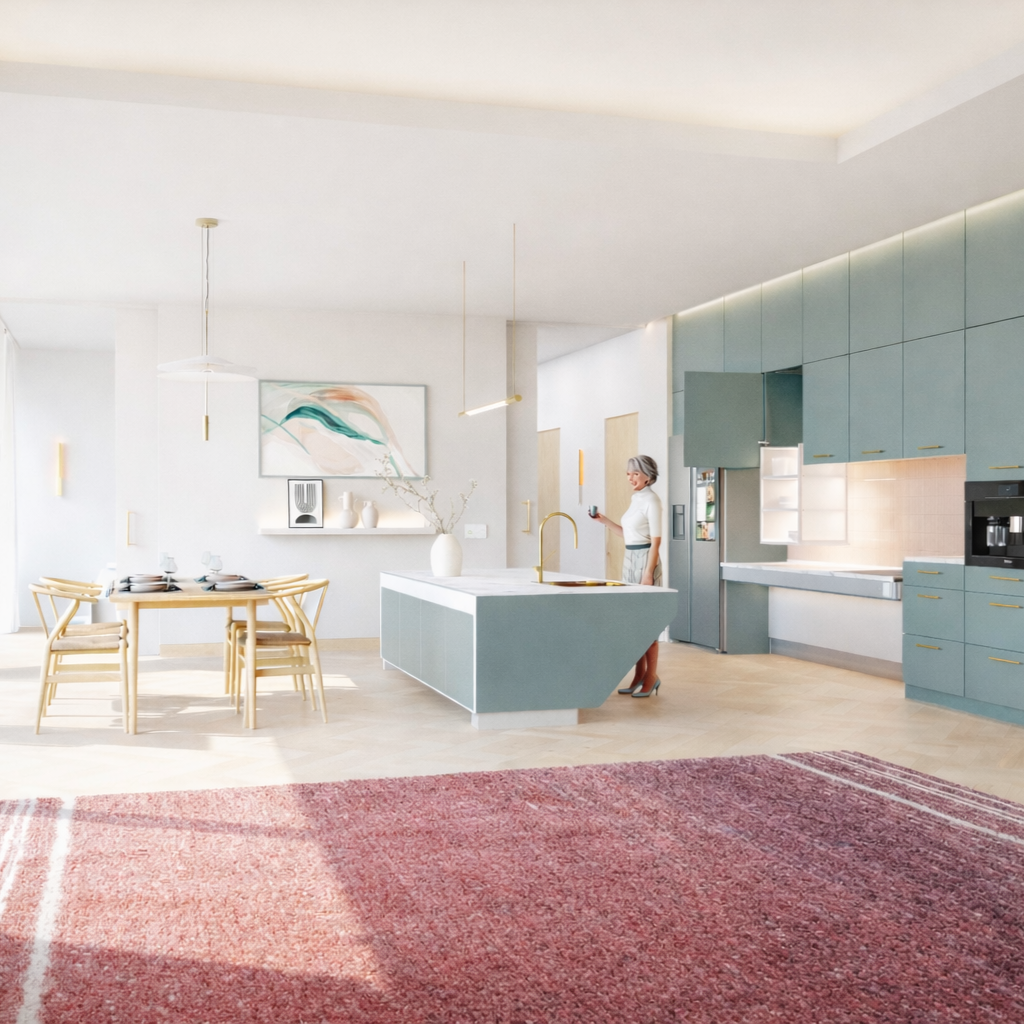
Age-friendly kitchen in an adapted home - designed with height-adjustable counters, pull-down shelves, anti-glare lighting, and anti-slip flooring to support safety, comfort, and independence. Designed by Himmelzimmer
These details help people maintain orientation, confidence and emotional stability, particularly those living with dementia or cognitive decline.
Remaining at home allows people to retain not just independence, but identity. Their environment reflects who they are, their routines, memories and sense of self.
Knowing, loving and understanding your environment can also positively affect recovery from illness. The body is not continually responding to anxiety and uncertainty. Simply knowing "you are home" can be emotionally calming and can support both physical and psychological wellbeing during recovery.
2. How does live-in care differ from domiciliary care in practice?
Vicky: A significant change in care needs can often provoke conversations about moving into residential care. For those of us working within domiciliary care, this can feel like a very large leap and is often not necessary.
While some medical conditions and physical changes do require residential care, many complex needs can still be managed safely at home through either domiciliary care, live-in care, or a combination of both.
Domiciliary carers can visit several times throughout the day for either short or extended visits. Support may include:
personal care
medication
meal preparation
mobility assistance
companionship
overnight care
This still allows the individual significant privacy and time alone in their own environment.
Live-in carers remain within the home on an ongoing basis, although they are not available to work continuously 24 hours a day.
"Many complex needs can still be managed safely at home through either domiciliary care, live-in care, or a combination of both."
This model is often appropriate when someone requires reassurance, oversight or practical support throughout both the day and night.
For individuals who struggle when left alone due to reduced mobility, cognitive decline or increasing frailty, live-in care can provide a safer and more reassuring option.
A person may struggle to manage toileting, nutrition, hydration or medication independently. Others may become confused, wander from the home, experience falls or feel distressed during the night.
In these situations, having someone consistently present can significantly improve safety, wellbeing and emotional reassurance.
Live-in care can also reduce loneliness and social isolation through regular companionship and continued social interaction.
However, live-in care is not suitable for everyone.
Many people value privacy, quietness and personal space very highly and may find the idea of another person continually within their home difficult to adjust to.
In these cases, domiciliary care may offer a better balance between support and autonomy.
Carers visiting throughout the day can still provide meaningful companionship, practical assistance and reassurance, while allowing the person to maintain a greater sense of independence, privacy and control over their own home and routine.
3. Are there particular types of clients or conditions where home care clearly leads to better outcomes than a care home setting?
Vicky: A person with advanced dementia who is no longer able to keep themselves safe may benefit from a residential setting.
Similarly, someone with highly complex clinical needs may require specialist equipment, nursing oversight and clinical management that can be more effectively delivered within a residential environment.
Outside of these situations, many people with varying care needs can benefit greatly from remaining in their own home.
This is particularly where emotional wellbeing, familiarity and personal identity are significant factors.
Home care often feels safer emotionally for clients. People are able to:
maintain routines they enjoy
continue engaging with their local community
remain close to neighbours and friends
retain confidence within an environment they know well
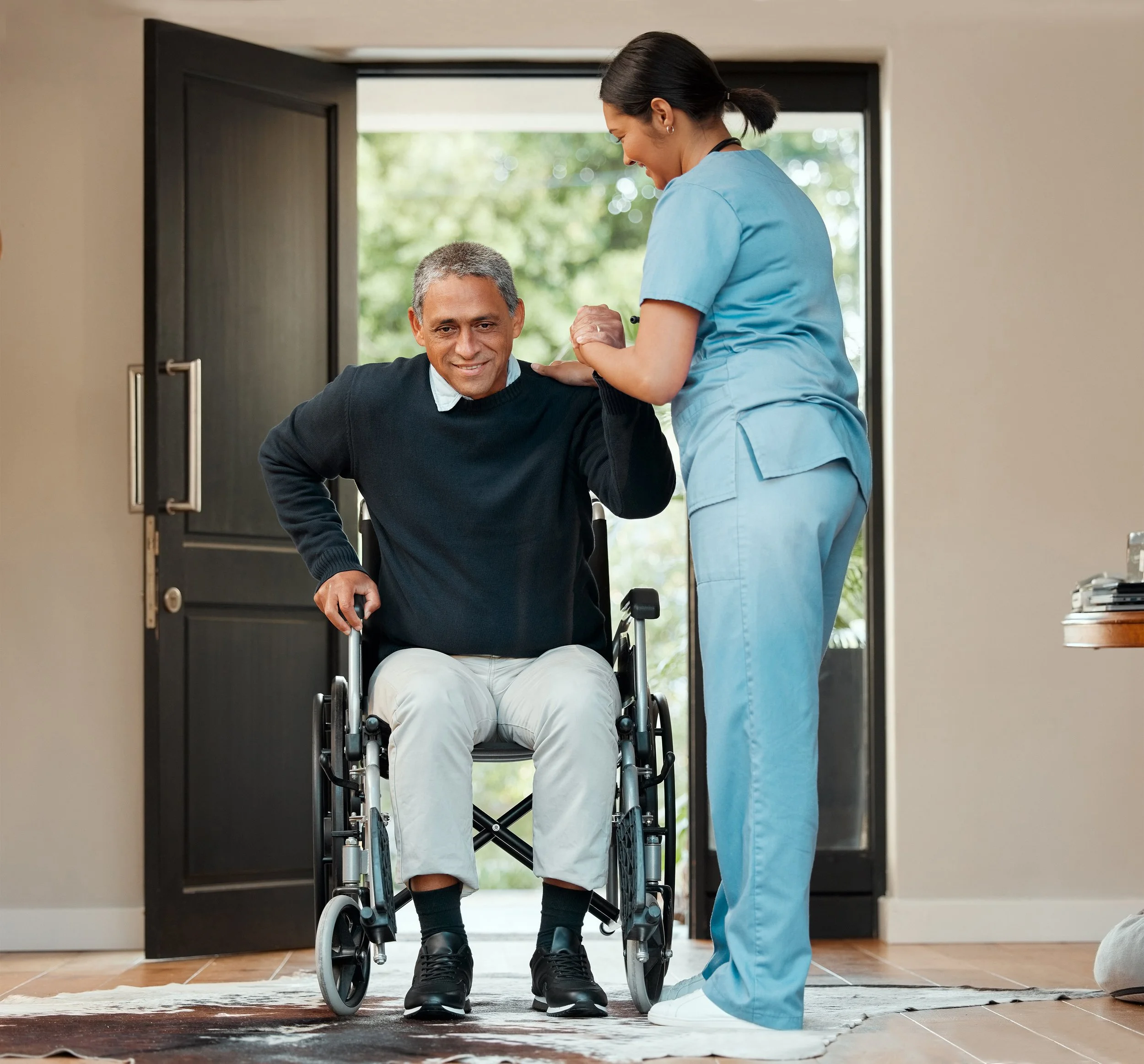
Care can be adapted to different needs depending on mobility, health and a variety of other factors
Familiar surroundings can reduce distress, confusion and anxiety, particularly for those living with cognitive decline.
Many people are not resistant to care itself. They are resistant to what care can symbolise:
dependency
loss of privacy
loss of autonomy
becoming "a patient"
Often, people are not rejecting support itself. They are fearful of losing control over their routines, privacy and decision-making.
Positive outcomes from home care are often more personality-led than condition-led.
Two people with the same diagnosis may respond very differently to the idea of residential care. The most effective care decisions are therefore rarely based solely on medical need, but on understanding the individual as a whole person.
4. What role does the physical layout or design of a home play in supporting safe and effective care at home?
Vicky: The role of home design is enormous. We have known clients who have moved into residential care primarily because the layout of their home no longer supported their changing needs.
"Importantly, home layout affects not only the individual receiving care, but also the people providing it."
Following a decline in mobility or health, a two-storey property can quickly become restrictive and isolating if someone can no longer safely access all areas of their home.
Some homes do not offer the flexibility to convert downstairs spaces into bedrooms or accommodate accessible bathroom facilities, leaving families feeling that residential care is their only realistic option.
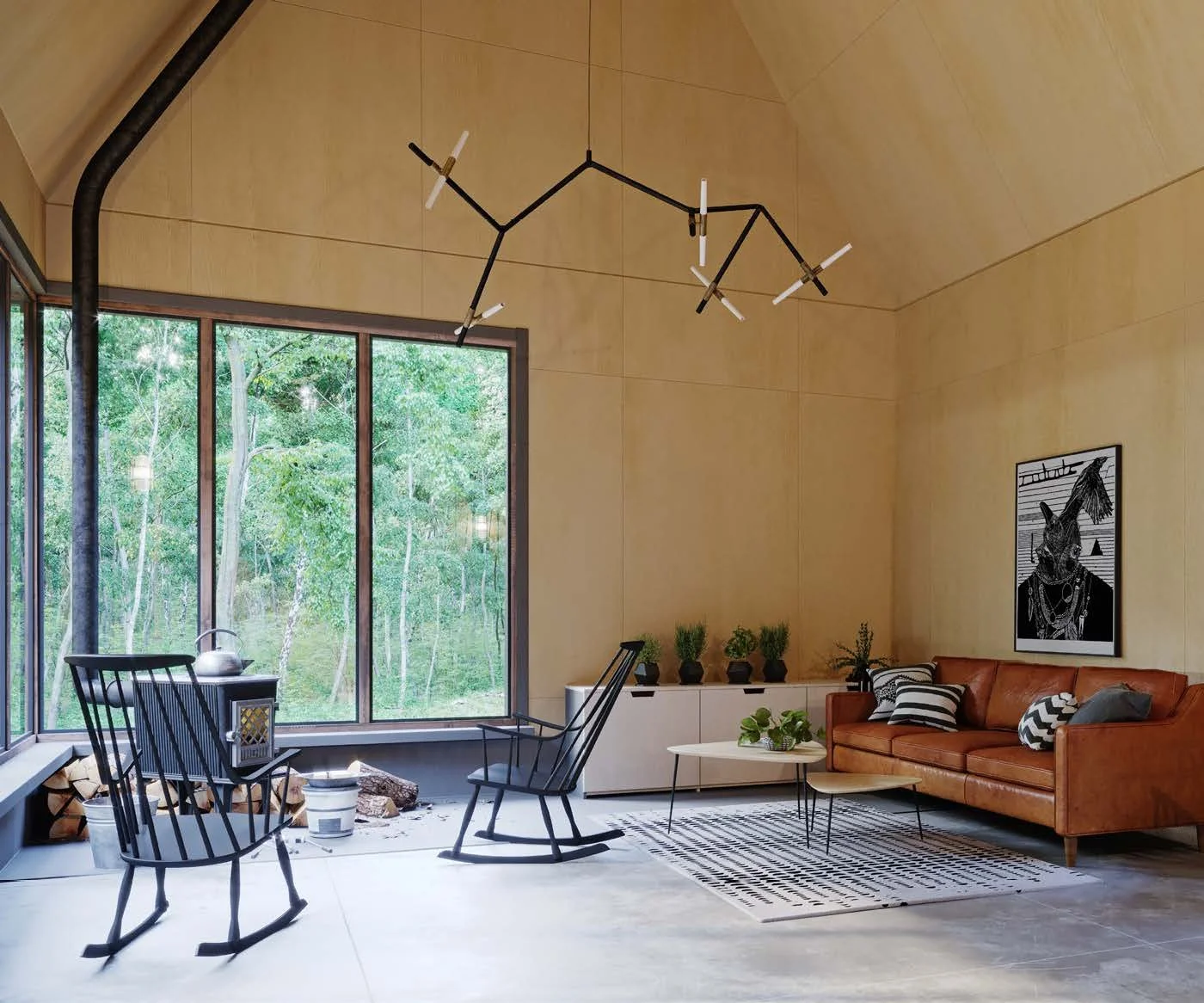
A well designed adapted home can aid the occupants as well as carers
Most UK homes, and often our wider approach to care, are reactive:
stairlifts are installed after falls
grab rails are added after hospital discharge
beds are moved downstairs after mobility declines
Many homes have narrow staircases, multiple floors, small bathrooms and limited space for equipment. However, if homes were designed from the outset to adapt gradually over time, this would allow us to enable autonomy rather than simply accommodate disability during crisis.
A well-designed home can significantly support people experiencing declining mobility, reduced eyesight or cognitive changes. Important features include:
spacious bathrooms and bedrooms
accessible kitchens
wider circulation spaces
good natural and artificial lighting
non-slip flooring
Examples of future-focused adaptable design include:
wider doorways
level-access thresholds
reinforced bathroom walls for future grab rails
accessible ground-floor shower rooms
futureproof electrical positioning
integrated smart home technology
The best accessible design is often invisible until it becomes necessary, preserving dignity while allowing homes to adapt naturally as needs change.
Importantly, home layout affects not only the individual receiving care, but also the people providing it.
Poor design can create unsafe working conditions for both professional carers and family members. A thoughtfully designed home can therefore improve safety, dignity and wellbeing for everyone involved in the caring relationship.
5. Looking ahead, what changes (including in home design) would make independent living more viable for a larger percentage of the population?
Vicky: Future housing design needs to recognise that mobility, eyesight, cognition and health can change across a lifetime.
Homes should be designed not simply for young and able-bodied adults, but for long-term adaptability, emotional wellbeing and social connection.
Technology that quietly supports safety and independence without making the home feel clinical is becoming increasingly important. Examples include:
fall detection
smart lighting
medication prompts
remote monitoring
video doorbells
automated heating
voice assistants
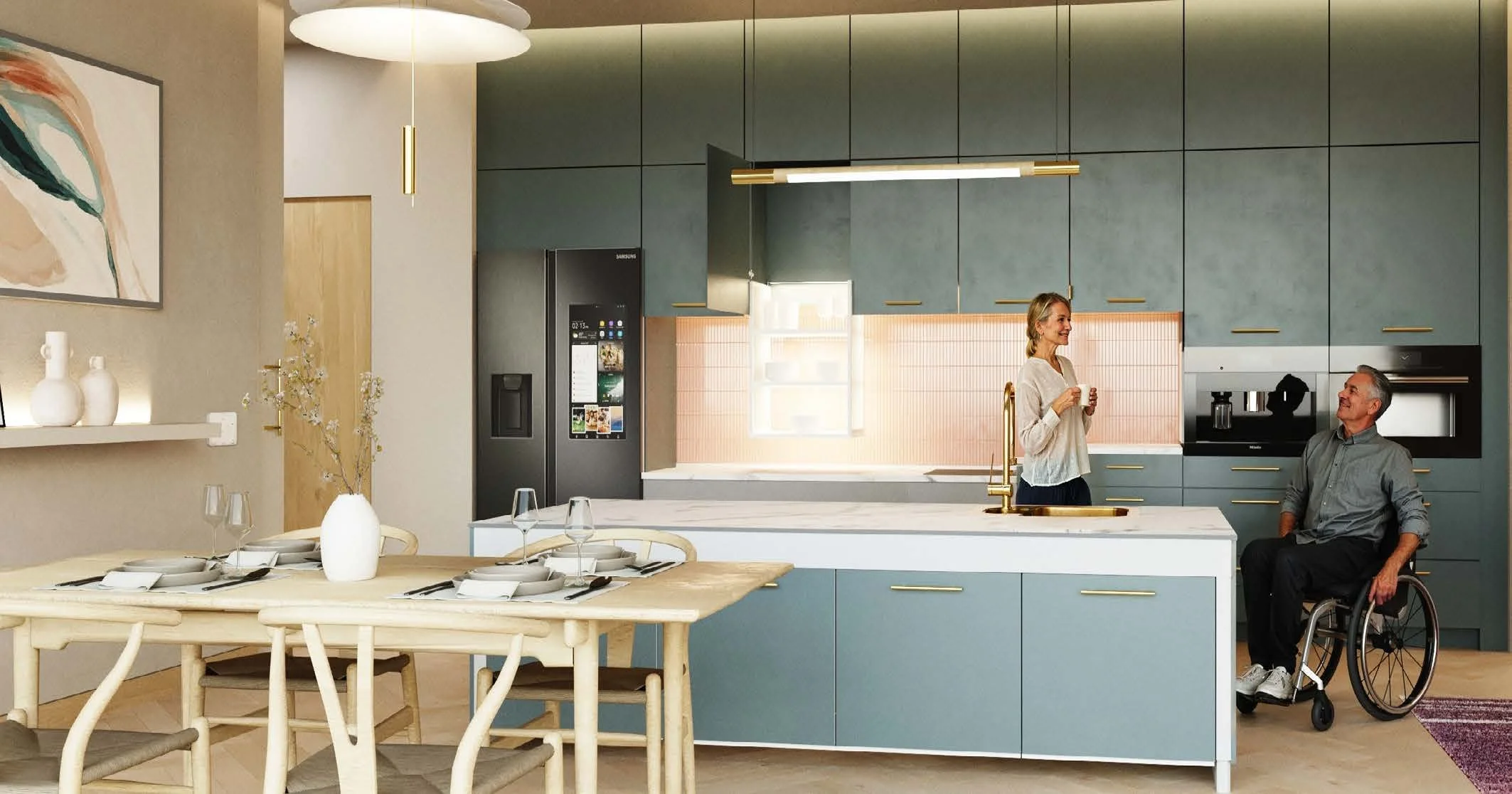
If homes are adapted for independent living with thoughtful interventions and technology, it will help more people stay in the homes they love for longer. Wheelchair accessible kitchen design by Himmelzimmer
Independent living becomes far more achievable when homes are designed with adaptability in mind from the outset rather than altered during a crisis.
Future-proofed homes should include:
intentionally accessible housing
adaptable layouts that can evolve with changing needs
space for future equipment installation
additional bedrooms for carers or family support
flexible multi-generational living arrangements
Homes are often designed around physical function alone, but social wellbeing is equally important. Future-proofed homes also need to support:
emotional wellbeing
social connection
dignity
Features that support these elements include:
walkable neighbourhoods
nearby shops and amenities
access to public transport
accessible outdoor spaces and gardens
space for visitors and family interaction
connection to local communities
multi-generational living
Society keeps trying to solve ageing with equipment alone, when most people are ultimately trying to preserve something much more personal: a sense of self, belonging and home.
With thanks to Vicky Haines, MD of Kingsway Care for collaborating on this article. Kingsway Care is the leading independent home care provider in Brighton & Hove supporting older adults to age in place. Please feel free to learn more about Kingsway Care here at kingswaycare.com.