
1 in 3 people over 65 fall each year
£60,000+ average residential care cost in the UK South East
90% of homes in England are not designed for accessible living
80-90% of people would prefer to remain in their own home as they age
Key Data
Why Planning Home Improvements Early Makes Life Easier Later
Many homeowners assume that if their mobility changes later in life, they will simply adapt their home when the time comes.
In reality, the most successful home adaptations are those planned well before they become necessary.
Across the UK, thousands of homeowners each year undertake urgent home modifications following an accident, illness, or change in mobility. These works often need to happen quickly, under pressure, and in circumstances that can be both stressful and disruptive.
Planning ahead allows these improvements to be approached differently - calmly, thoughtfully, and with far greater design freedom.

The Reality of Aging in the UK
The UK is experiencing a significant demographic shift as people live longer and more people enter later life.
Nearly 9 million people in England are now aged 65 or over, a number that continues to rise.
Around 2 million older people have unmet care and support needs in England.
Many older adults experience difficulties with everyday activities such as walking across a room, bathing, or getting in and out of bed.
At the same time, most people express a clear preference for remaining in their own homes for as long as possible, surrounded by familiar places, neighbours, and community.
Thoughtful design can make this far more achievable.
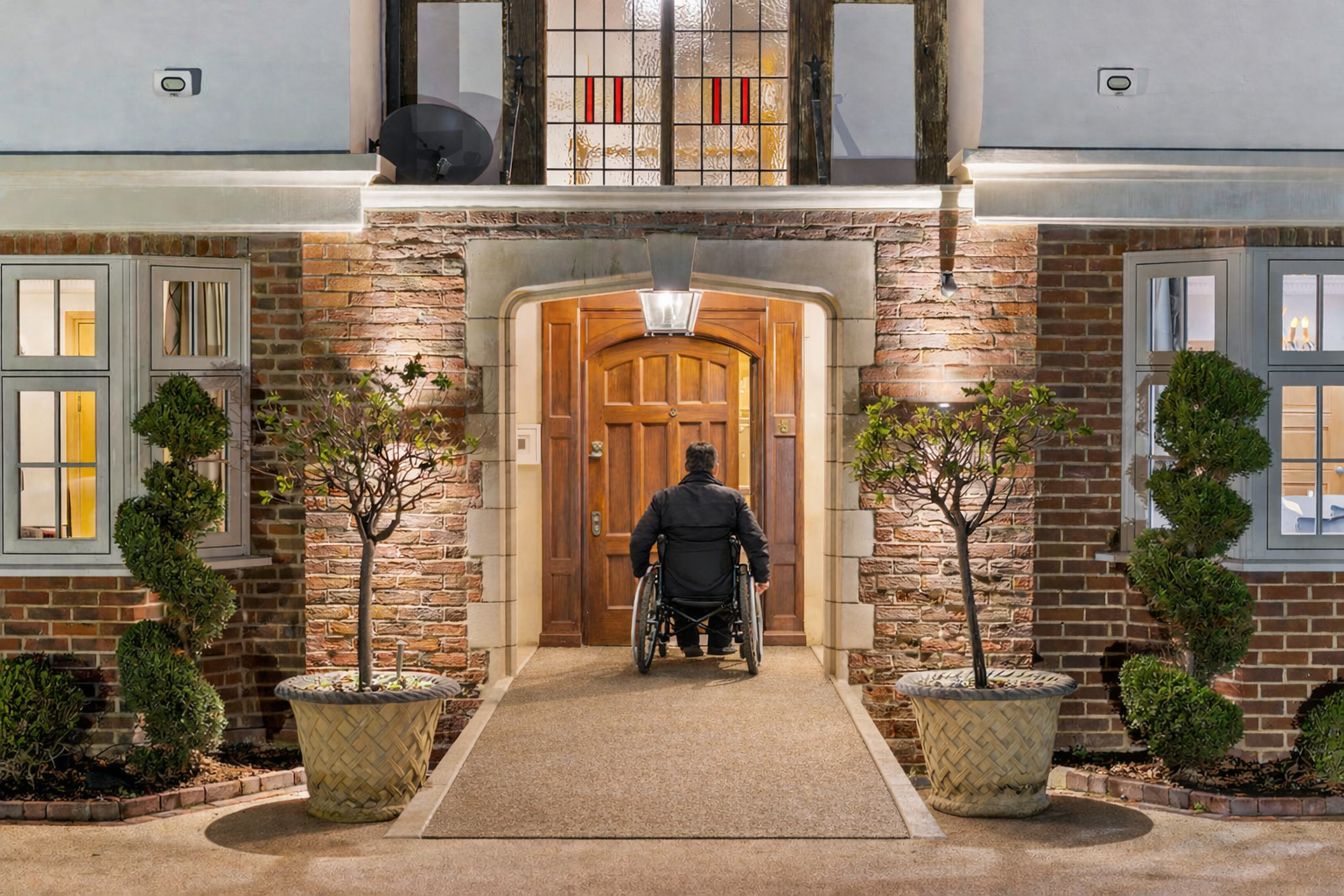
Falls Are One of the Biggest Risks to Independence
One of the most common reasons older people suddenly require urgent home adaptations is a fall.
The statistics are striking:
One in three people over 65 experience a fall each year, rising to one in two people over 80.
Falls are the most common cause of injury-related death in people over 65.
More than 250,000 hospital admissions occur every year in the UK as a result of falls among older adults.
Falls are not only physically damaging - they can also result in a loss of confidence and independence, often changing how people use their homes afterwards.
Many of the environmental factors that contribute to falls - such as poor lighting, steps, thresholds, or awkward bathroom layouts - can be improved through careful design.
Most Homes Were Not Designed for Long-Term Mobility
Many houses built in the UK were designed for a particular stage of life - when stairs are easy, bathrooms are simple to navigate, and everyday movement around the home is effortless.
Over time, small features of a house can gradually become more challenging:
steps at the entrance
steep staircases
narrow hallways and doorways
bathrooms that are difficult to move within
poor lighting or uneven flooring
These are not unusual design features - but they can begin to affect how comfortably a home supports everyday life.
Thoughtful architectural changes can resolve many of these issues while enhancing the quality and value of the home at the same time.
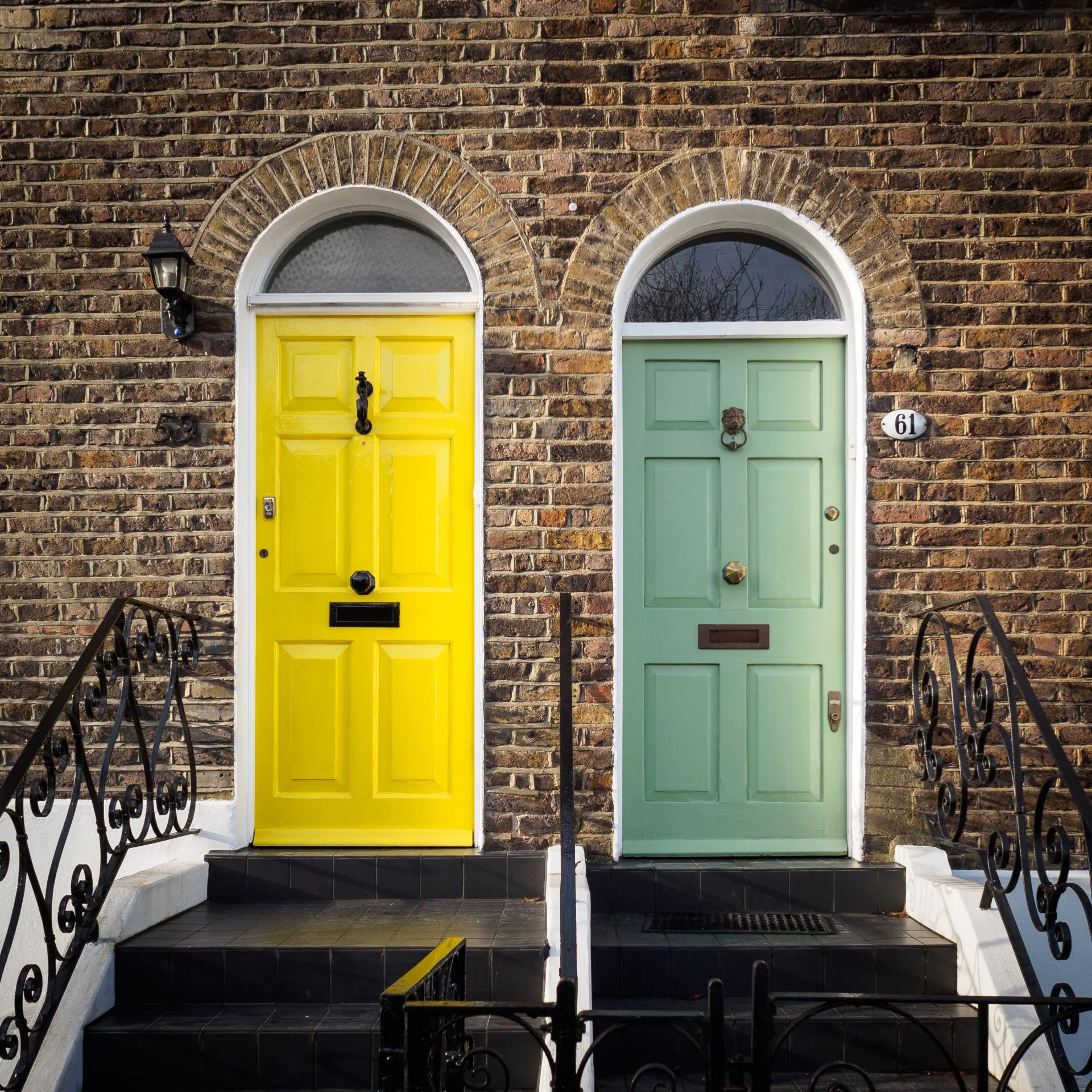
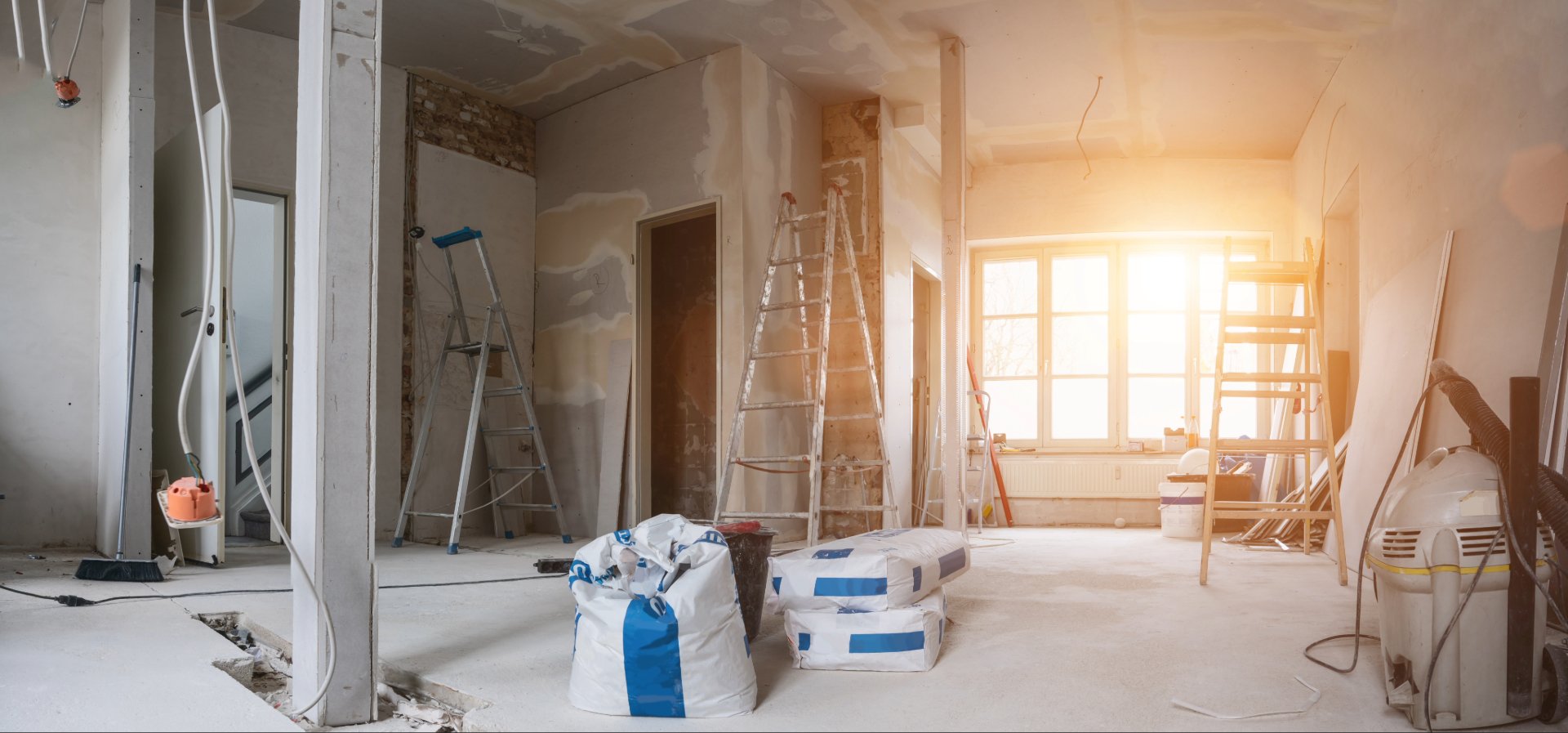
Reactive Renovations Are Often the Most Stressful
When home adaptations are undertaken after a fall or sudden change in mobility, the process often becomes urgent.
Decisions may need to be made quickly, contractors may need to start work rapidly, and design options can become limited by time constraints.
Families frequently tell us that they wish they had considered these changes earlier, when they had more time to plan and explore the best solutions for their home.
Planning ahead allows improvements to be integrated into the home elegantly and with far greater care.
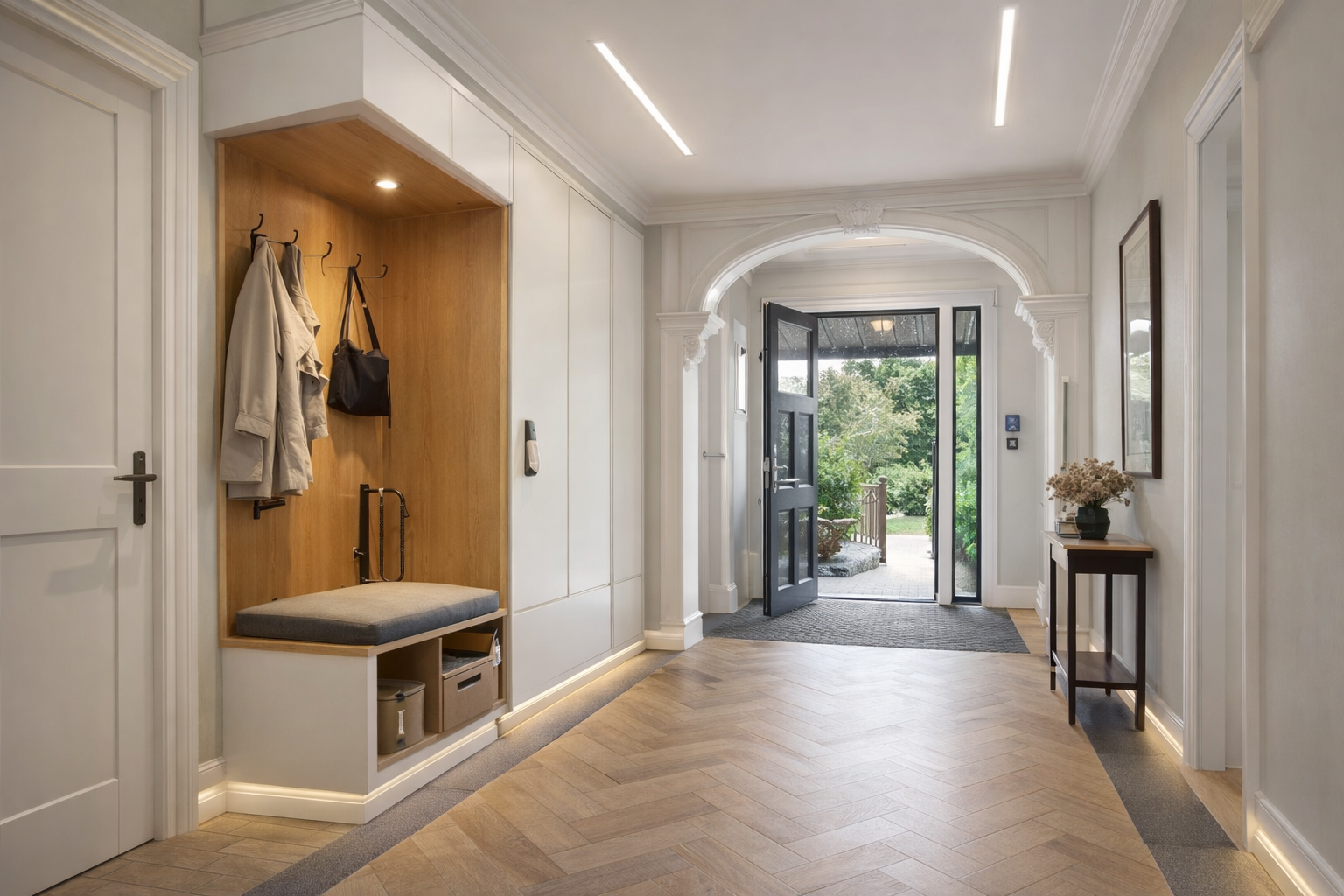
Early Planning Creates Better Design
When accessibility is considered early, it can be integrated naturally into the architecture of the home.
Rather than visible add-ons or temporary solutions, thoughtful design allows improvements to feel seamless and beautiful.
Examples may include:
step-free entrances integrated into landscape design
generous circulation spaces that allow easy movement
bathrooms designed for comfort and safety
discreet home lifts integrated into the layout
improved lighting and wayfinding throughout the home
When these elements are designed as part of the architecture, the home becomes both more comfortable and more resilient to life’s changes.
Protecting the Home You Love
For many homeowners, the greatest motivation is simple - remaining in the home they love for as long as possible.
Moving home later in life can be emotionally and physically challenging. Familiar neighbourhoods, gardens, and communities are often deeply valued.
Thoughtful improvements to an existing home can allow it to continue supporting everyday life for many years, without the need to relocate.
Thoughtful Improvements Can Add Value
Well-designed home improvements rarely feel like adaptations.
Instead, they often enhance the overall quality of the home:
improved spatial flow
better natural light
higher quality bathrooms and kitchens
improved outdoor connections
more flexible living arrangements
These changes not only improve day-to-day living but can also strengthen the long-term value of the property.
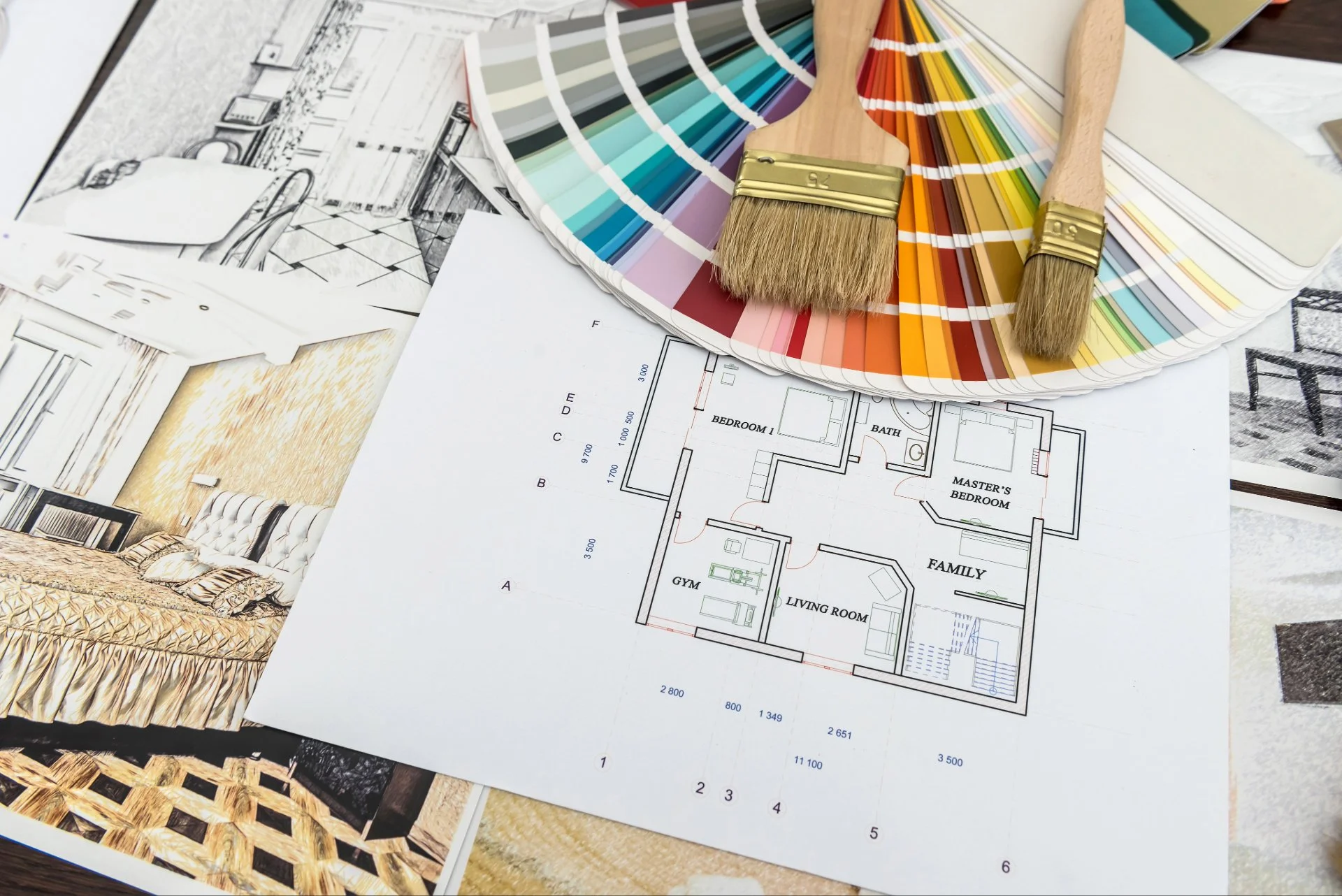

A Calm Conversation About the Future
Every home is different, and every homeowner has different priorities.
At Himmelzimmer UK, we work with homeowners to explore how their homes could evolve to support comfort, independence, and everyday ease over time.
Sometimes this involves small adjustments.
Sometimes it involves larger architectural changes.
The most important step is simply starting the conversation.
Considering Improvements to Your Home?
If you have lived in your home for many years and would like to explore how it could support you long into the future, we would be delighted to have an initial conversation.
A short discussion can often reveal opportunities to make a home more comfortable, safer, and better prepared for the years ahead.