
Why Waiting to Future-Proof Your Home Could Cost You More Than You Think
An Aritco & Himmelzimmer Collaboration
Most people want to remain in their own home for as long as possible. It is where memories are made, communities are built and daily routines are established. Yet while most of us hope to stay in our homes throughout retirement, only around one in ten UK homes is considered ready to support us as we age.
With increasing life expectancy, many people can expect to spend twenty or even thirty years in retirement. During that time, our homes will inevitably need to respond to changing lifestyles, priorities and physical needs. The question is not whether change will occur, but whether your home is prepared for it.
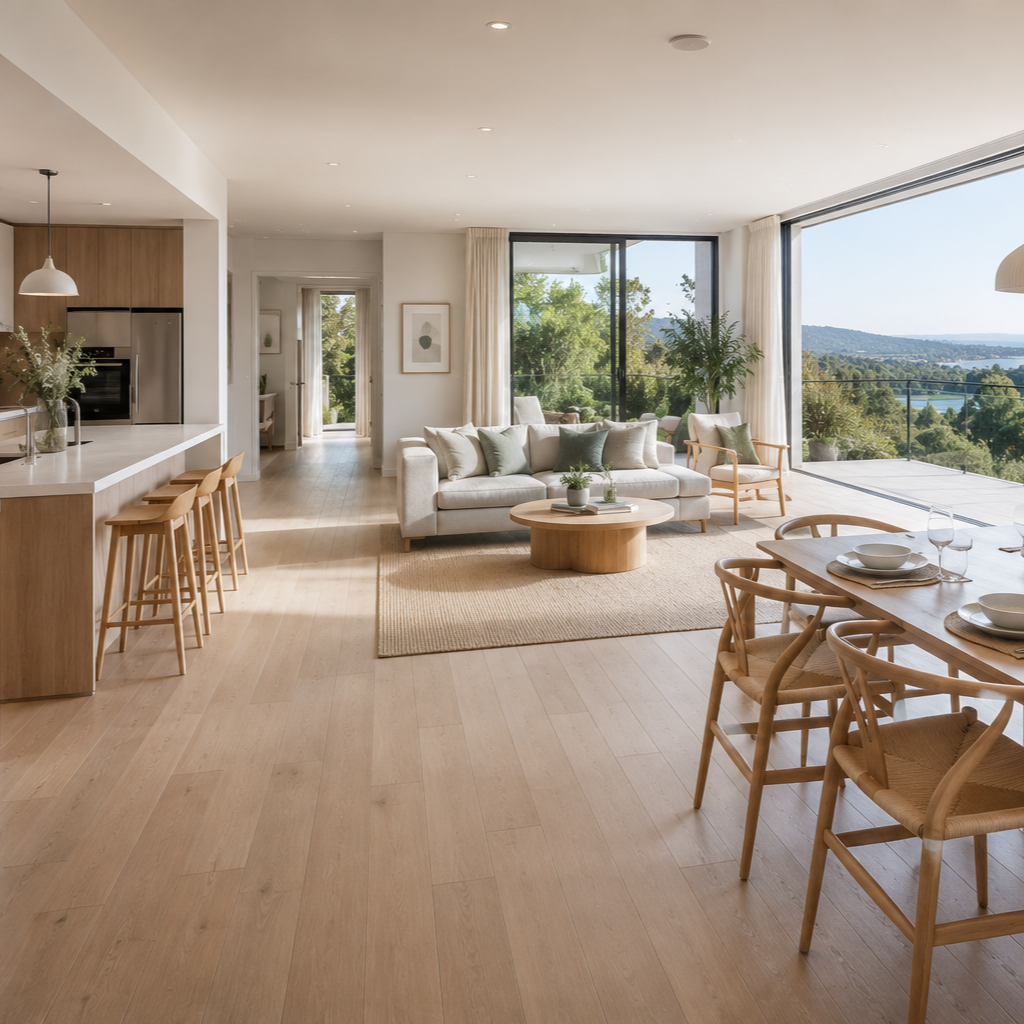
Figure 1 The kitchen that has been adapted for independent living can be discrete and make life more comfortable before changes are needed.
At Himmelzimmer, we call this approach Longevity Architecture - designing homes that continue to support independence, comfort and wellbeing throughout every stage of life. Rather than waiting for an unexpected event to force change, longevity architecture focuses on planning ahead, creating homes that remain beautiful, functional and adaptable for decades to come.
The Cost of Waiting
One of the greatest misconceptions about future-proofing a home is that it can be addressed later. Unfortunately, later is often when homeowners have the fewest choices, the least flexibility and the highest costs.
“Around one in four adults aged over 65 experiences a fall each year, with falls remaining one of the leading causes of injury and loss of independence among older people.”
When decisions are made under pressure, the focus naturally shifts towards solving immediate problems. Products are selected quickly, works are carried out urgently and opportunities for thoughtful design are often lost.
Time is the ingredient that transforms a necessary intervention into a considered piece of architecture.
The most successful homes for later life are rarely created in response to a crisis. They are planned gradually, with enough time to balance functionality, aesthetics, comfort and long-term value.
“UK government research suggests relatively low-cost home modifications could reduce medically treated falls by 26% and save hundreds of millions in health and social care costs.”
Retirement: The Ideal Time to Plan Ahead
Retirement is often the perfect opportunity to consider how your home will support you over the next twenty to thirty years.
Many people use this period to review pensions, investments and lifestyle goals. Yet the home - often the most valuable asset they own and the place where they intend to spend much of their retirement - is rarely considered with the same level of strategic planning.
Future-proofing a home does not mean undertaking extensive renovations all at once. In many cases, it simply means understanding what changes may be beneficial over time and creating a roadmap for implementing them gradually.
Planning ahead creates both financial and practical advantages. Construction costs continue to rise year after year, meaning work delayed for five or ten years may cost significantly more than if it had been incorporated into a planned renovation. Early planning also allows homeowners to spread investment over time and make decisions based on aspiration rather than urgency.It is also the ideal time to consider how your home will continue to function in the future. Improved lighting, level thresholds, better thermal comfort, flexible bathrooms and access between floors may not feel essential today, but they can become invaluable later.
Designing Homes That Evolve With You
8 The most successful homes designed for later life rarely look different from any other well-designed home.
They simply work better.
This is one of the central principles of longevity architecture. Rather than designing for a specific moment in time, the home is planned to evolve alongside the people who live in it.
Spaces are designed to remain flexible. Circulation is intuitive. Bathrooms are easier to use. Natural light is maximised. Storage is better organised. Heating and insulation improve comfort and efficiency. These features contribute to everyday enjoyment while quietly preparing the home for future needs.
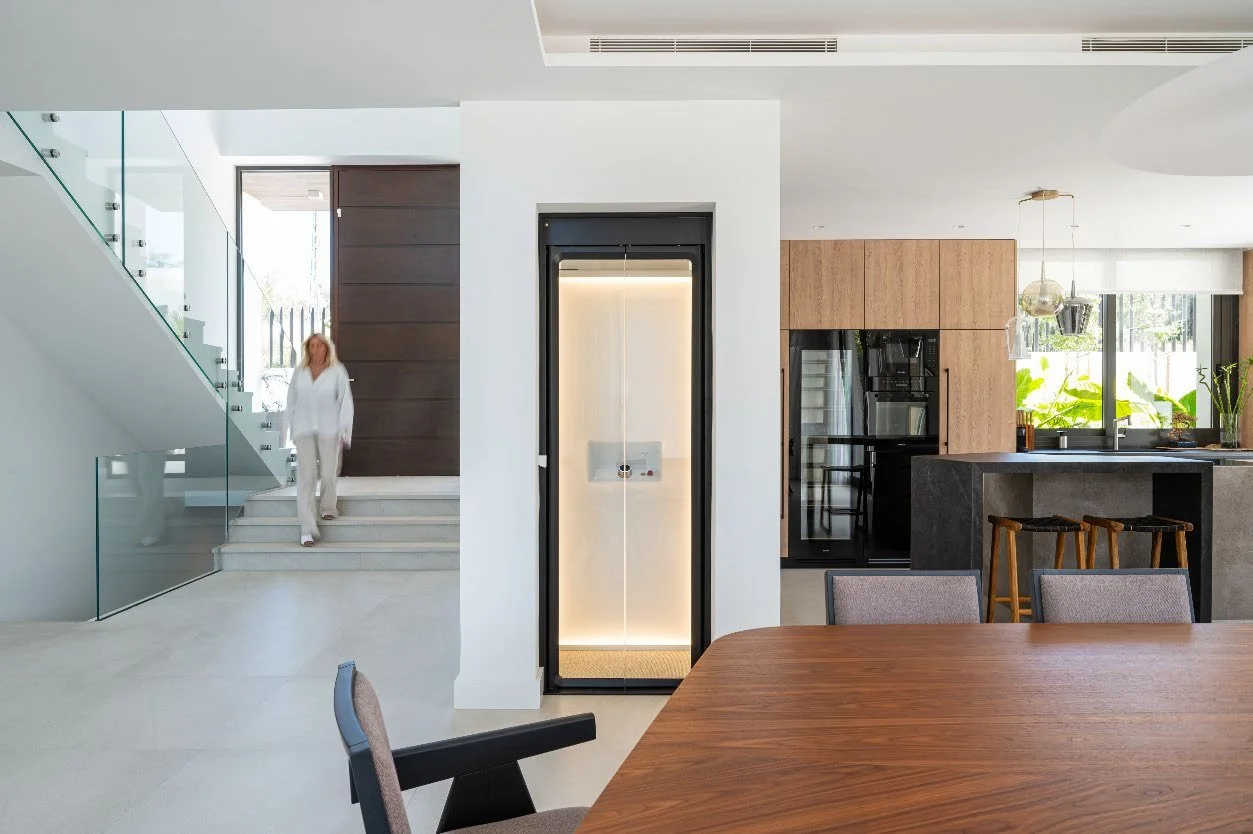
Figure 2 Lifts provide a great solution for allowing access to all parts of a multi storey home. Image courtesy of Aritco
A wider doorway may simply feel more generous. A level threshold may create a cleaner architectural transition. Better lighting can enhance comfort, wellbeing and visual. clarity. Many of the features associated with independent living are, in reality, simply examples of good design.
When future needs are considered early, accessibility becomes integrated into the architecture rather than added later as a compromise. More Choice Creates Better Outcomes
One of the greatest benefits of planning ahead is choice.
Homeowners who future-proof early have access to a broader range of products, finishes and design solutions than those making decisions under pressure.
Whether selecting kitchens, bathrooms, lighting systems or mobility solutions, there is more opportunity to compare options, research suppliers and integrate products seamlessly into the overall design vision.
This is particularly relevant for owners of multi-storey homes. While stairs may present little challenge today, many homeowners eventually begin to consider how they will continue to enjoy all areas of their property in the years ahead.
Modern home lifts offer an elegant solution. Once viewed as specialist products, today's residential lifts are increasingly compact, energy efficient and design-led. Solutions such as those offered by Aritco can often be incorporated into existing homes with surprisingly little disruption, providing convenient access between floors while complementing the overall character of the property.
When incorporated into a long-term plan, these solutions become part of a home's natural evolution rather than a response to changing circumstances.
Creating a Home for the Next Chapter
The best future-proofing measures are often the ones you barely notice.
They are not about preparing for decline. They are about creating a home that continues to support the lifestyle you want to enjoy for many years to come.
The benefits extend well beyond accessibility. Better comfort, lower energy costs, improved wellbeing, greater confidence and increased enjoyment of the home all contribute to a higher quality of life today, not just in the future.
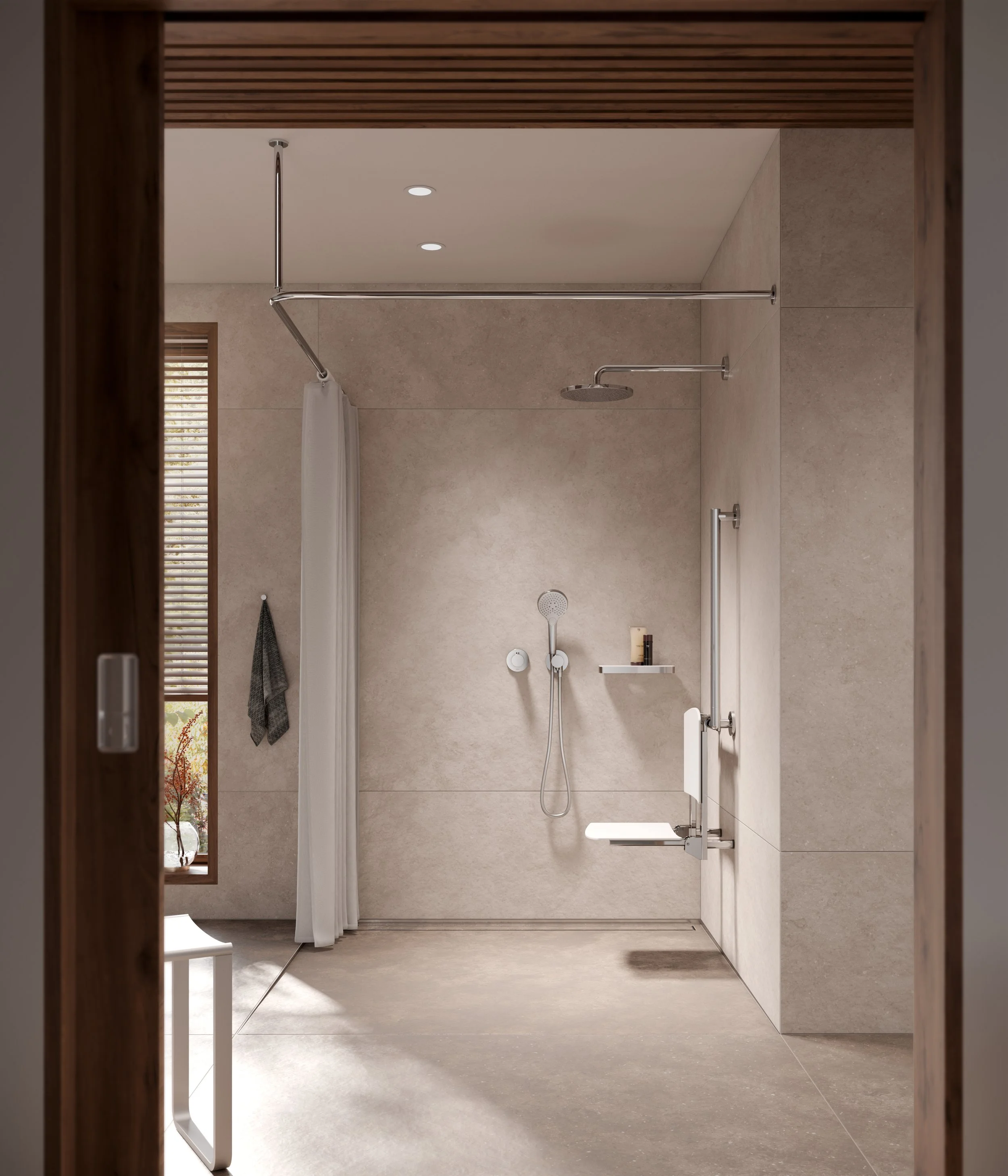
Figure 3 An adapted bathroom with level thresholds, accessible features like wet rooms and shower seats can be a very comfortable as well as enjoyable space without compromising on aesthetics
Ultimately, a home should evolve alongside the people who live in it. Changes made gradually, with time for consideration and good design, are almost always more successful than those made under pressure.
In the end, future-proofing your home is rarely a question of if. It is a question of when.
The earlier you begin planning, the more choice, control and value you create for yourself and your family. Because the goal is not simply to remain in your home for longer. It is to ensure that your home continues to support the life you want to live for decades to come.
References
1. Age UK (2023) Ageing in place: adapting your home and staying independent. Available at: https://www.ageuk.org.uk (Accessed: 16 June 2026).
2. Aritco (2026) Home lifts and accessibility solutions. Available at: https://www.aritco.com (Accessed: 16 June 2026).
3. Centre for Ageing Better (2023) Creating homes and communities that support ageing well. Available at: https://ageing-better.org.uk (Accessed: 16 June 2026).
4. Centers for Disease Control and Prevention (2026) Older Adult Falls: Data and Research. Available at: https://www.cdc.gov/falls/ (Accessed: 16 June 2026).
5. Department of Health and Social Care (2018) Health matters: prevention – a life course approach. Available at: https://www.gov.uk/government/publications/health-matters-life-course-approach-to-prevention (Accessed: 16 June 2026).
6. Keall, M.D., Pierse, N., Howden-Chapman, P., Cunningham, C., Guria, J. and Baker, M.G. (2017) ‘Cost–benefit analysis of fall injuries prevented by a programme of home modifications: a cluster randomised controlled trial’, Injury Prevention, 23(1), pp. 22–26. Available at: https://injuryprevention.bmj.com/content/23/1/22 (Accessed: 16 June 2026).
7. National Institute for Health and Care Excellence (NICE) (2025) Falls: assessment and prevention in older people. Available at: https://www.nice.org.uk (Accessed: 16 June 2026).
8. Public Health England (2018) Falls: applying all our health. Available at: https://www.gov.uk/government/publications/falls-applying-all-our-health (Accessed: 16 June 2026).