
Future-Proof by Design : Sustainable Architecture for Next - Gen Senior Living
The Twin Crises
The twin crises of climate change and housing capacity shortages are impacting on Britain's elderly. Following the UK's warmest summer on record in 2025, with Europe seeing over 2,300 heat-related deaths - climate change is no longer a distant threat but an immediate health challenge, particularly for the over-75s.
At the same time, demand for specialist housing is outpacing supply. The UK's over-75 population, currently 6 million, is projected to soar to 10 million by 2050. Yet in 2022, capacity for retirement and nursing care stood at only 1.26 million.
As commentators have observed the capacity crisis is colliding with the climate crisis for Britain's elderly. This shortfall unfolds against the backdrop of a national mandate to slash emissions from 492 MtCO2e per year to meet the Net Zero target, making the environmental performance of every new building non-negotiable. With this challenge, we believe new ways of creating senior living are necessary.
A Sector Under Pressure
Climate change is being felt daily, with extreme weather disproportionately affecting the elderly, one of the most vulnerable groups. Meanwhile, a care system already stretched thin faces a demographic timebomb. By 2040, the over-75 population will number 8.5 million, with fewer than 2 million dedicated housing places.
There is a growing reality that is highlighting the urgency of adapting the built environment. But hope lies in forward-thinking sustainable architecture. Across the UK, pioneering senior living projects are proving that design can tackle both monumental challenges simultaneously: protecting residents while dramatically cutting emissions. New developments are also providing a community for the elderly that is stitched into the surrounding urban fabric, delivering longevity and better quality of life.
This push towards sustainable architecture is already reshaping the sector. At Inspired Villages timberframe construction reduced embodied carbon to 600 kgCO2/m2. Alongside a conscious choice in the structural framing system, the sustainable design integrates passive environmental systems, low-carbon materials, health-focused amenities and efficient resource management. With all new buildings required to operate at Net Zero by 2030, the senior living sector is emerging as a proving ground for resilient, low-carbon innovation.
How do we address the challenges in innovative ways that create inspiring spaces that promote holistic wellness? We have identified three key areas that are seen in successful sustainable senior living; adaptive infrastructure, holistic resident experience, and operational sustainability.
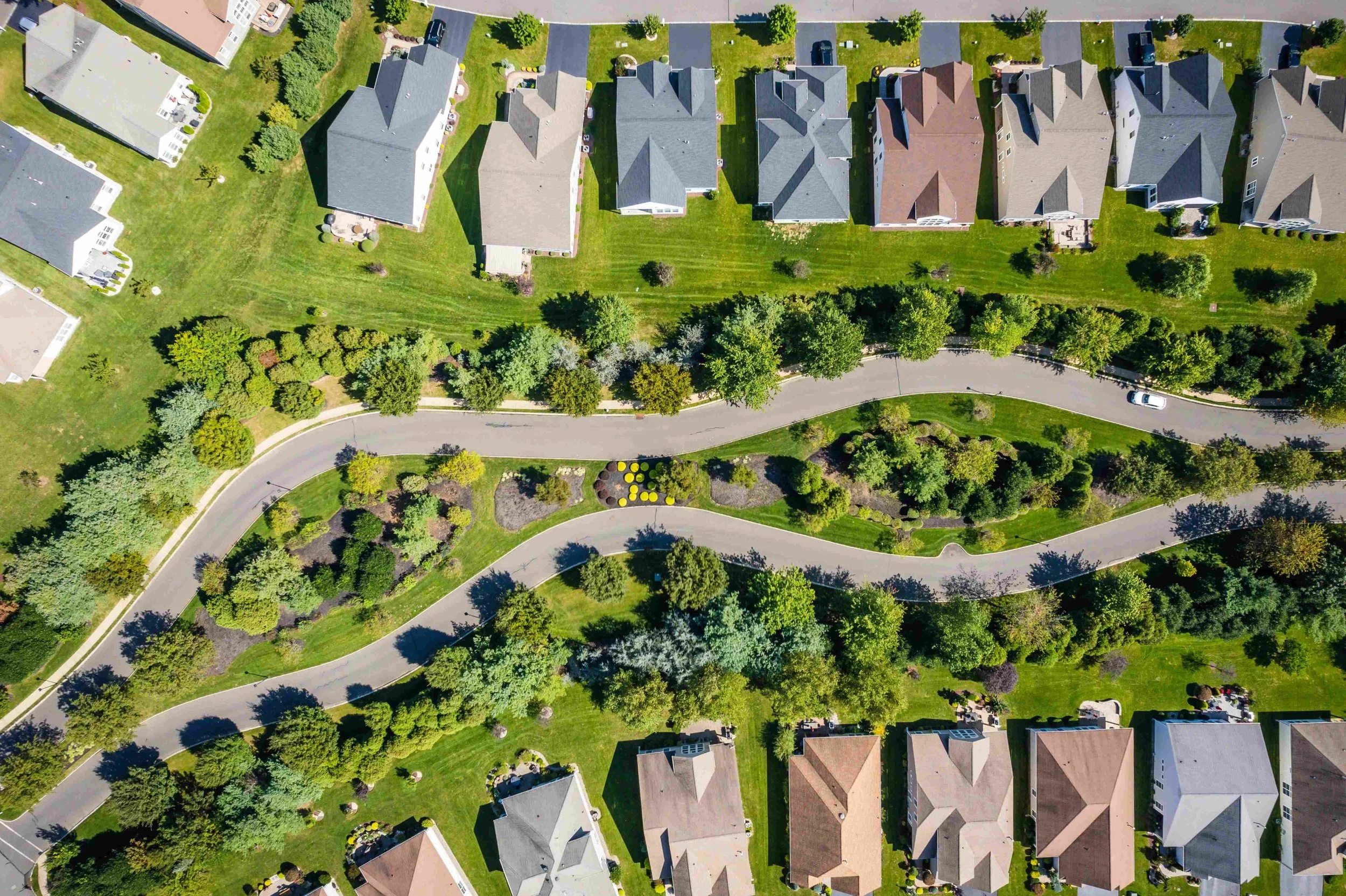
The senior living sector is under pressure to deliver sustainability quicker.
Adaptive Infrastructure
Buildings that can adapt to the changing climate with extreme weather, evolving economic pressures, and shifting care needs are inherently more sustainable. Adaptability means more than simply withstanding extreme weather, it also involves designing with flexibility to allow care level transitions without forcing residents to relocate. Integrating smart home technology enables ageing-in-place, while modular construction makes it possible to reconfigure spaces as residents' needs change. Energy autonomy is another crucial aspect: if every building generated its own renewable energy, pollution and operational costs would fall dramatically.
Modular construction with materials such as Cross Laminated Timber, integrated smart home technology that aids ageing in place and buildings that can withstand the extremes of the weather is a top priority now and adaptive infrastructure is becoming essential.
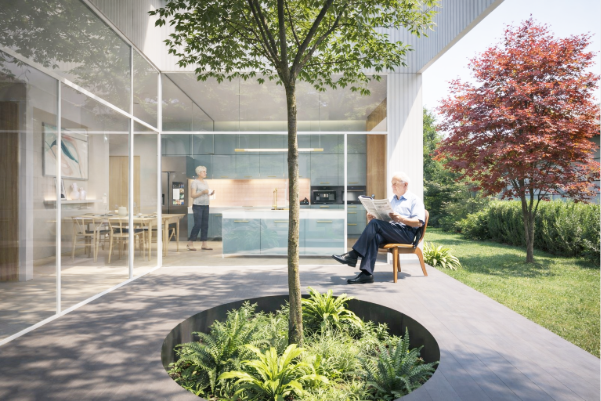
Age-friendly kitchen and outdoor space - designed with height-adjustable counters, pull-down shelves, anti-glare lighting, and anti-slip flooring as well as flush thresholds to enter the outdoor space easily, to support safety, comfort, and independence. Designed by Himmelzimmer and Studio505.
At Inspired Villages, a UK-based retirement community developer, they have pledged to deliver 25 Net Zero villages by 2030. Their projects integrate solar power, EV charging, and airtight insulation alongside tailored wellness programming. At Millfield Green in Bedfordshire, ground-source heat pumps, triple glazing, and renewable energy have created the UK's first operational Net Zero retirement community. Residents are already reaping measurable health benefits, reporting an average reduction of 8.8 years in biological age through fitness and wellness programmes. This proves that sustainable buildings are not only good for the planet, they add healthy years to people's lives.
Holistic Resident Experience - Seeing the World Through the Residents' Eyes
Thinking like a resident rather than a developer is crucial in senior living design. It means entering the psychological dimension of older adults and understanding what they truly want and need to feel a sense of well-being and belonging. Environments should not only provide safety and comfort but also deliver psychological benefits. Many sustainable features lend themselves naturally to this aim. For example, biophilic design, such as meadows planted with wildflowers, can enhance biodiversity while also offering restorative, calming spaces that support residents' mental health.
A more holistic experience is also shaped through person-centred spatial design and wayfinding. Simple strategies such as colour coding by zone, contrasts in texture and material, dementia-friendly layouts, and clear sight lines to outdoor spaces can reduce stress and confusion, while memory-triggering elements create familiarity and comfort.
Multi-generational interaction spaces add another valuable dimension, encouraging engagement between residents and younger people in the community. These shared environments not only reduce social isolation but also contribute to a more sustainable society by strengthening bonds across generations. Cultural and recreational programming further enriches daily life, fostering active participation and a sense of belonging.
Integrated health and wellness systems complete this picture. Biophilic elements, air quality management, circadian lighting, therapeutic gardens, and active living spaces all combine to promote physical vitality and mental well-being.
Ng Teng Fong Hospital: Healthcare Design That Heals
Studio505/Himmelzimmer's Singapore hospital demonstrates expertise designing for vulnerable populations, directly applicable to senior living. Every patient room provides therapeutic outdoor views, resulting in 5-day average stays versus 7 days in comparable facilities, a 29% improvement attributable to design.

Ng Teng Fong General Hospital - designed by Studio505/ Himmelzimmer, a pioneering example of biophilic architecture that integrates nature and the built environment to support healing and wellbeing
Innovative cross-ventilation achieves comfort without air conditioning, delivering 30% operational efficiency improvements. For senior living operators, this translates to reduced running costs and lower resident bills, advantages traditional developments cannot match.
Connecting to nature throughout via accessible views, vegetation and patient operable windows creates healing atmospheres that support the biological age reductions documented in retirement village wellness programs. Strategic layout features achieved 22% staffing cost reductions while enabling capacity expansion from 1.2 to 1.6 million patients without proportional cost increases.
Public spaces woven throughout, food courts, artwork, gathering areas - mirror Himmelzimmer's retirement village approach: community facilities accessible to neighbourhoods, supporting aging in place without institutional feel while giving much needed community integration allowing different generations to mingle freely.
For the UK example noted that is being offered at Inspired Villages, the reduction of residents' biological age has other benefits too. The impact extends beyond the communities themselves, easing pressure on the NHS through fewer GP visits and faster hospital discharges. By focusing on resident wellness alongside sustainable design, Inspired Villages demonstrates a commitment to independence, dignity, and quality of life that sets it apart from other operators in the UK.
Operational Sustainability
To achieve true sustainability, operations must be as efficient as the buildings themselves. Passive environmental design maximises natural light, ventilation, and airtightness reduces reliance on artificial heating and cooling. Circular principles extend to water management, harvesting rainwater, reusing grey water, and employing drought-tolerant landscaping. Waste is treated not as a by-product but as a resource, with recycling, reuse, and local sourcing cutting both carbon and costs. This is a factor that can be easily achieved in a new building if planned from the start as sustainable.
International case studies also point the way forward. Hilltop Reserve Senior Living in Denver, Colorado, became the largest senior living community in the U.S. to achieve LEED Gold Certification. It generates enough solar energy to power 60 single-family homes annually, incorporates advanced air purification systems, and conserves water through efficient plumbing and landscaping.
Back in the UK, Millfield Green exemplifies Net Zero in action. Every apartment is equipped with its own ground-source heat pump, solar panels cover rooftops, and advanced insulation drives energy bills down. This is not a pilot project but a functioning community, proof that sustainability is both affordable and scalable. Meanwhile, Inspired Villages' biodiversity initiatives, including 80-acre wildflower meadows and woodland habitats, demonstrate a commitment to going beyond regulation toward "nature positive by 2030." In addition ensuring that reducing energy demand before adding renewables is the way forward.
Circular principles for water is an important concept which can start with the collection of rainwater and usage of grey water for irrigation etc. Waste reduction and thinking that there is no such thing as waste is an innovative way of looking at it. In addition local sourcing can cut so much cost in terms of transport of materials.
Circular thinking reinforces this ambition. By designing buildings for future disassembly, materials can be reclaimed and reused rather than discarded. When combined with a focus on longevity, choosing durable, adaptable systems that outlast design fashions, the result is a sector that reduces waste while building lasting value.

CLT Residential Prototype — designed by Himmelzimmer, in collaboration with the Timber Development Association of Australia.
The Pixel Building: Australia's Carbon-Neutral Pioneer
In Carlton, Victoria, Studio505/Himmelzimmer delivered Australia's first carbon-neutral office building. Pixel achieves complete energy and water independence through onsite wind turbines and an innovative green roof using evapotranspiration to process greywater. The building can disconnect entirely from mains water - a critical capability.
Studio505/Himmelzimmer developed "Pixelcrete" - low-carbon concrete combined with recycled materials - reducing embodied carbon while maintaining structural integrity. Pixel achieved a perfect 6-Star Green Star rating with 105 points, the highest score ever awarded by Australia's Green Building Council. This represented fundamental reimagining of sustainable construction possibilities.
Conclusion: Climate Resilience for Vulnerable Populations
Sustainable architecture in senior living is no longer a 'nice to have' item, without it there is no predicting what economic and social issues may crop up. Elderly residents are among those most at risk from overheating and extreme weather which should put us under moral obligation as designers, architects to deliver for this.
At the same time, capacity shortages demand innovative, adaptable solutions. With regulations pushing for 75-80% carbon emission reductions, the sector has an opportunity to lead by example. The choice for developers is clear: invest in future-proof design now, or risk scrambling to retrofit tomorrow. Regions that invested in green building standards early, like parts of Scandinavia, are already reaping the benefits of resilient, adaptable, and energy-efficient senior living models.
With regulations targeting 75-80% carbon emission reductions, the senior living sector has an unprecedented opportunity to lead by example. Developers can either embrace this challenge today or risk being left behind tomorrow, forced to retrofit under pressure.
Forward-thinking strategies such as nature-positive design, circular construction methods, and AI-driven building efficiency are no longer speculative trends, they are rapidly becoming industry baselines. Whilst pioneering in their initial application, these are quickly turning from trends to the mainstream and should be adopted across the industry, they are the foundations of resilient, next-generation senior living.
Ultimately, the choice is stark but simple: invest now in future-proof, resilient senior living that safeguards both people and planet, or accept escalating financial, social, and ethical costs in the years ahead. The sector stands at a crossroads, and only those who act decisively will secure long-term relevance and trust supporting independence and peace of mind.
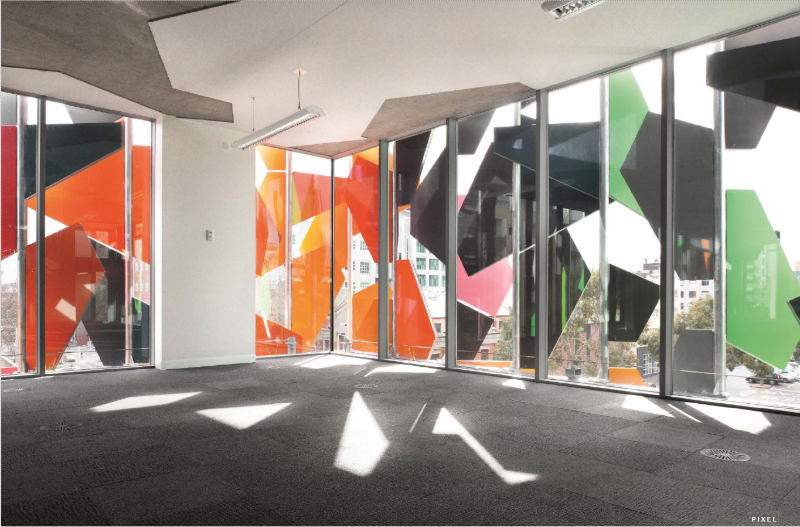
Pixel in Calton, in Australia was designed by the architecture studio Himmelzimmer and was Australia’s first carbon neutral office building with cutting edge materials such as low carbon concrete and wind turbines designed by Himmelzimmer / Studio505.
References
HM Government (2021) Approved Document L: 2021 edition, incorporating 2023 amendments. London: HM Government.
International Longevity Centre (2022) Health and Housing Report. London: ILC UK.
Inspired Villages Group (2023) Impact Report. Inspired Villages Group.
London School of Hygiene & Tropical Medicine (2025) First analysis to estimate number of heatwave deaths linked to climate change. Available at: https://www.lshtm.ac.uk/newsevents/news/2025/first-analysis-estimate-number-heatwave-deaths-linked-climate-change [Accessed 1 October 2025].
Office for National Statistics (2023) Population projections for the UK. London: ONS
Royal Institute of British Architects (2021) RIBA 2030 Climate Challenge. London: RIBA
UK Climate Change Committee (2020) Sixth Carbon Budget. London: CCC.
Studio505 (n.d.) CLT Residential Prototype. Available at: https://www.studio505.com.au/work/project/clt-residential-prototype/92.html [Accessed 1 October 2025].